Altcoin Derivatives Market Collapses Key Impacts
The altcoin derivatives market is collapsing. Learn what caused it, who is affected, and how it may reshape crypto trading and regulation.


For years, the altcoin derivatives market has attracted traders seeking rapid gains, amplified exposure and aggressive speculation. Perpetual futures, high-leverage swaps and options on everything from Layer 1 tokens to meme coins created an environment where small price swings produced dramatic outcomes. As derivatives grew to dominate the entire crypto ecosystem, the distinction between healthy speculation and systemic fragility became increasingly unclear. The recent and sudden collapse in the altcoin derivatives space has now brought these risks into full focus.
By 2025, derivatives made up the vast majority of crypto trading volume, exceeding several trillion dollars in annual notional value. Although the market remained overwhelmingly centered around Bitcoin and Ethereum, the altcoin segment expanded at a pace far beyond the liquidity and stability required to support it. Much of this growth was built on aggressive leverage, thin order books and speculative capital, making the system inherently vulnerable.
Today, liquidation cascades, evaporating liquidity and risk-management failures have triggered a full-scale collapse in the altcoin derivatives market. Billions in positions were wiped out within hours, and both centralized and decentralized platforms have been forced to reassess their models. Understanding what caused this breakdown and what happens next is essential for anyone holding or trading altcoins, whether through derivatives or spot markets.
What Defines the Altcoin Derivatives Market?
The altcoin derivatives market consists of futures, perpetual swaps, options and structured contracts tied to any crypto asset outside of Bitcoin and Ethereum. These products are typically margined or settled in stablecoins, although some contracts use the underlying token as collateral. Trading occurs on both centralized exchanges and decentralized protocols, but the bulk of altcoin derivatives activity lives on offshore platforms that permit high leverage and list dozens of thinly traded tokens.
Altcoin derivatives appeal to traders because they offer amplified exposure, the ability to short assets without holding them and the means to hedge large spot positions. The problem, however, is that many of the underlying assets lack the liquidity or market depth required to support heavy derivatives usage. During calm conditions, the illusion of deep order books and stable prices persists. But when volatility rises sharply, the fragility of these markets becomes impossible to ignore.
Even under the best circumstances, altcoin derivatives represent a structurally weaker segment of the broader crypto derivatives ecosystem. The participants are more speculative, liquidity providers are more cautious, and liquidity itself can vanish within seconds. When shocks occur, this segment is always the most at risk of suffering sudden and catastrophic failure.
How the Altcoin Derivatives Market Collapsed
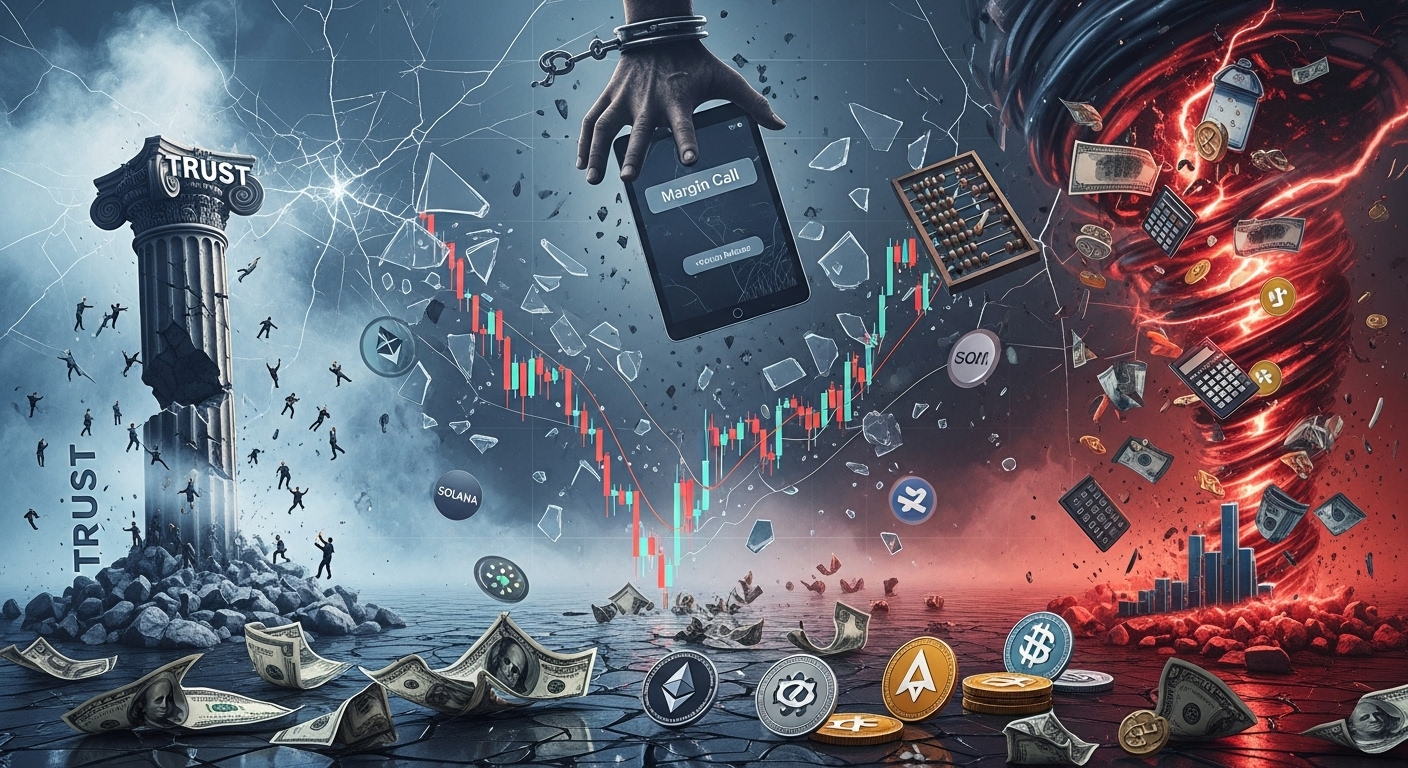
Excessive Leverage Built on Fragile Foundations
The collapse unfolded gradually, fueled by repeated cycles of optimism, rising prices and increasingly risky behavior. High leverage became the norm rather than the exception, with traders routinely opening positions at twenty, fifty or even one hundred times their collateral. During bull trends, this appeared harmless. Rising prices masked poor risk management, and funding payments favored heavily long-biased positions.
The danger came from the imbalance. As the market turned and altcoins began to underperform, the enormous tower of leveraged longs started to wobble. Investors rotated toward Bitcoin, which absorbed liquidity and pushed Bitcoin dominance higher. Altcoins slipped in price, and at exactly the same time, liquidity in many altcoin derivatives pairs thinned. The market was primed for a liquidation event long before the first major selloff began.
Liquidation Cascades and Sudden Price Dislocations
When prices finally began to drop, forced liquidations struck the market with an intensity few anticipated. Liquidation engines on exchanges closed underwater positions automatically, sending substantial market orders into order books that could not absorb them. As positions were rapidly closed, prices spiraled downward. The decline in price triggered additional liquidations, which intensified the selloff and forced the market into a feedback loop.
Several altcoins experienced violent crashes that pushed them to levels far below their spot market valuations. In some extreme cases, perpetual swaps momentarily traded near zero as order books disintegrated. Because many traders used volatile tokens as collateral, the fall in altcoin prices simultaneously erased their margin across multiple positions. A single shock turned into a chain reaction throughout the derivatives ecosystem.
Structural Weaknesses Revealed by the Collapse
The Illusion of Liquidity
One of the most significant weaknesses exposed by the collapse was the presence of what many traders now refer to as phantom liquidity. Under normal conditions, algorithmic market makers populated order books with quotes that appeared to provide depth. However, these quotes could disappear instantly during periods of stress. When volatility spiked, liquidity providers withdrew from altcoin pairs, leaving order books almost empty. The moment liquidation orders hit, they fell through these empty levels, causing dramatic, uncontrolled price movements.
Margin Systems Built on Volatility-Prone Assets
Many exchanges allowed traders to use volatile altcoins as collateral to support leveraged positions. This approach works only when prices remain stable. When collateral itself collapses in value, traders face margin calls not just on the affected asset but across their entire portfolio. This interconnectedness transformed what might have been a contained issue into a market-wide deleveraging event.
The collapse demonstrated that using unstable tokens as collateral for altcoin derivatives creates systemic vulnerability. Once the market began to unwind, even responsible traders found themselves forced out of positions due to the rapid deterioration of their collateral value.
Centralized vs. Decentralized Platforms: Unequal Impact
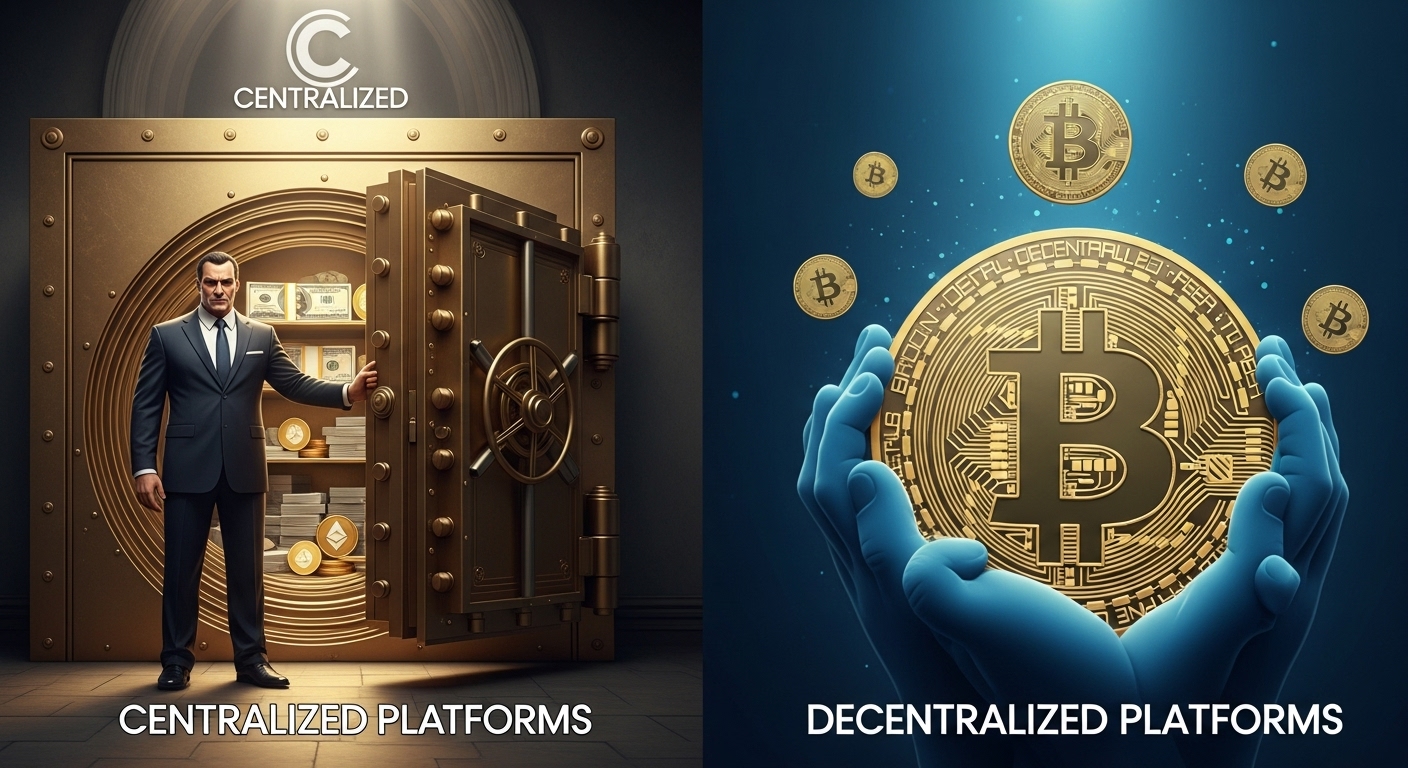
Centralized Exchanges Under Pressure
Centralized exchanges handled the majority of altcoin derivatives volume, especially for mid-cap and low-cap tokens. These platforms, operating offshore in many cases, offered extreme leverage and numerous altcoin perpetuals. As the collapse unfolded, these exchanges became the center of liquidation pressure.
Several exchanges moved swiftly to reduce maximum leverage, increase margin requirements and temporarily halt trading of unstable contracts. While such actions provided temporary relief, they could not undo the structural weakness of overleveraged traders and shallow liquidity.
The consequences for centralized exchanges include reputational damage and heightened regulatory attention. Although they generated high fees during periods of intense volatility, their long-term credibility may suffer if users continue to believe the system is rigged or unstable.
DeFi Derivatives Protocols Face Unique Challenges
DeFi platforms experienced a different form of stress. Their smart-contract-based risk engines are transparent, but the liquidity that backs derivatives positions often comes from user-supplied pools. When altcoin prices plummeted, on-chain oracles lagged behind real-time market conditions, causing pricing inefficiencies. Some pools suffered heavy losses, while others held up surprisingly well due to conservative leverage models.
The collapse illustrated that transparency does not eliminate market risk. DeFi protocols must still contend with volatility, lagging oracles and collateral fluctuations, though many performed better than expected under extreme conditions.
Implications for Traders: A Harsh New Reality
The End of Carefree Leverage
The collapse marks a turning point for traders who became accustomed to using high leverage on altcoin derivatives. The assumption that markets would always behave predictably has now been shattered. Funding rates have turned unpredictable, leverage limits have tightened, and liquidation risks have become impossible to ignore.
Traders now understand that the velocity and scale of price movements in altcoins can be devastating. A single sharp decline can liquidate thousands of positions within minutes, especially if order books lack depth. The market is beginning to treat leverage as a privilege rather than a default tool.
Spot Investors Feel the Aftershocks
Even traders who avoid derivatives entirely have been affected by the collapse. Spot markets often follow derivatives markets during periods of distress. When derivatives triggers force large sell orders, spot prices frequently mirror the plunge. Arbitrageurs link the two markets, ensuring that derivatives turmoil quickly spreads into spot valuations.
This dynamic means that understanding derivatives is essential even for long-term holders. Without awareness of liquidation clusters, funding pressure and open interest imbalances, spot investors risk being blindsided by volatility that appears to come out of nowhere.
Implications for Exchanges and Market Structure
Reinventing Risk Engines
The collapse has forced exchanges to reconsider how their liquidation engines operate. Many are exploring more conservative liquidation thresholds, improved margin calculations and protections designed to prevent cascading failures. Some exchanges are developing systems that adjust leverage dynamically based on asset liquidity and real-time volatility.
There is also growing interest in expanding insurance funds and creating more transparent reporting systems. Although these measures cannot eliminate risk, they can prevent the kind of synchronized collapse that occurred across altcoin derivatives markets.
Consolidation of Trading Activity
As confidence in smaller exchanges diminishes, liquidity is beginning to consolidate on platforms perceived as safer or better regulated. Larger exchanges with stronger risk frameworks may benefit from this consolidation, although it also raises concerns about centralization and reduced competition.
This shift may alter the landscape of the altcoin derivatives market by concentrating trading activity on fewer, more robust assets rather than spreading it across a long tail of thinly traded tokens.
Regulatory Repercussions: A Global Wake-Up Call
Regulators have long been wary of crypto derivatives, and the recent collapse provides additional evidence to support their concerns. Authorities may propose leverage caps, stricter disclosure requirements and enhanced user-protection measures. They may also push for better reporting of open interest and more transparent risk modeling.
The collapse gives policymakers more justification to intervene, especially in markets where inexperienced retail traders faced severe losses. The industry must now decide whether to self-regulate or wait for regulatory bodies to impose stricter rules from the outside.
See More: Bitcoin, Ethereum & XRP Jump on Shutdown Deal Hopes
Will the Altcoin Derivatives Market Recover?
Deleveraging Today, Re-Leveraging Tomorrow
History suggests that derivatives markets do not disappear after periods of turmoil. Instead, they reset, rebuild and evolve. The immediate aftermath of the collapse will likely involve reduced leverage, lower volumes and a more cautious approach to trading. Over time, however, leverage will gradually return as confidence rebuilds and market participants adapt to new conditions.
The assets most likely to recover are those with strong fundamentals, robust communities and genuine utility. Weaker tokens may never regain their former levels of speculation, particularly if exchanges choose not to relist or support derivatives markets for them.
A Shift Toward Fundamental Strength
The collapse may shift attention away from tokens fueled purely by hype. Traders and exchanges are becoming more discerning. Assets with tangible utility or consistent demand are gaining favor, and exchanges are reassessing which altcoins truly warrant perpetual futures or complex derivatives markets. This shift could ultimately strengthen the foundation of the altcoin derivatives market by aligning it more closely with real value rather than speculative frenzy.
Practical Takeaways for Market Participants
The collapse sends a clear message: leverage must be used with caution, volatility must be respected and margin must be protected. Even traders who avoid leverage should monitor derivatives markets closely, as they provide early signals of stress that eventually spread to spot markets. Awareness of open interest, liquidity conditions and funding pressure can help investors navigate turbulent environments more effectively than relying solely on traditional chart patterns or sentiment.
Conclusion
The collapse of the altcoin derivatives market has exposed fundamental weaknesses in liquidity, leverage and risk management. Although painful, this moment may prove to be a critical turning point in the development of a more mature crypto ecosystem. Exchanges are now rethinking their models, regulators are watching more closely and traders are reevaluating their appetite for leverage.
If the industry can learn from this event, the next generation of altcoin derivatives may emerge stronger, safer and more transparent. Until then, caution, discipline and a focus on long-term fundamentals remain the most reliable strategies for navigating a market that can transform dramatically in a matter of minutes.