Arctic Storm Disrupts US Bitcoin Mining, Blocks Slow
Arctic storm forces US miners to curtail power, dropping hash rate and pushing Bitcoin block times beyond 12 minutes. Here’s what changes next.

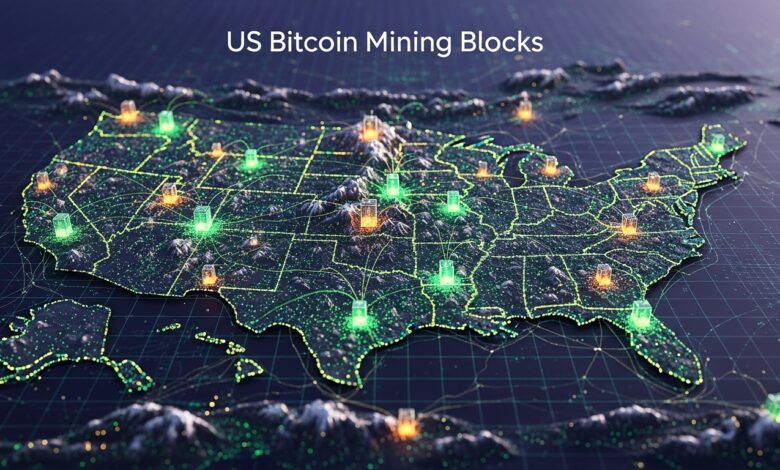
An Arctic storm front doesn’t just freeze roads and rattle power lines—it can also “freeze” parts of the Bitcoin network in a very specific way. When brutal cold surges across major US mining regions, electricity demand spikes, grids tighten, and industrial loads like US Bitcoin Mining Blocks may curtail operations. The moment enough miners power down, the network’s hash rate drops, and the clockwork rhythm of Bitcoin’s 10-minute block target can drift. That’s when users start noticing slower confirmations and the headline-friendly metric: average block times stretching past 12 minutes.
This pattern isn’t theoretical. Severe winter weather in the US has previously coincided with sharp declines in Bitcoin’s mining power and visible changes in block production. During a major winter storm event, reporting described miners shutting down as outages and grid stress spread, alongside a steep network hash rate drop. A separate report also noted the hash rate falling dramatically as storms “unplugged” miners. When mining power falls quickly, block intervals can lengthen until the next difficulty adjustment, and data trackers have shown block-time spikes during such periods.
So what does it actually mean when an Arctic storm front disrupts US Bitcoin mining and block times stretch past 12 minutes? It’s not just a nerdy statistic. It affects transaction confirmations, fee pressure, miner revenue dynamics, and even public narratives about Bitcoin’s resilience. Let’s break it down—cleanly, realistically, and without hype—so you understand what’s happening under the hood and what to watch next.
Why an Arctic storm front can disrupt US Bitcoin mining
Bitcoin mining is industrial-scale computing, and industrial-scale computing is, at its core, an electricity story. US Bitcoin mining has clustered in regions where power can be competitively priced and where large loads can be connected quickly—often near wind, gas, or legacy generation, and frequently in markets that support flexible demand.An Arctic storm front stresses this setup in three common ways:
First, cold snaps push residential and commercial heating demand higher, which tightens grid capacity. Second, storms can trigger physical outages—ice, wind, and snow can damage transmission and distribution lines, causing local or regional disruptions. Third, energy prices can spike in real time in certain markets, making marginal mining unprofitable for hours or days. Reports around prior winter storms described widespread outages and miners powering down, coinciding with a major hash rate drawdown.The result is simple: fewer machines hashing equals less total network power.
The role of demand response in mining shutdowns
A lot of people assume miners only shut off when forced. But in parts of the US, some mining operations participate in demand response programs—voluntarily curtailing load when the grid needs relief. In plain terms, miners may reduce consumption to help stabilize supply during peak demand, especially during extreme weather events. Commentary around the 2022 Arctic blast discussed miners shutting down to avoid pushing grids into “crisis territory” as residential demand surged. 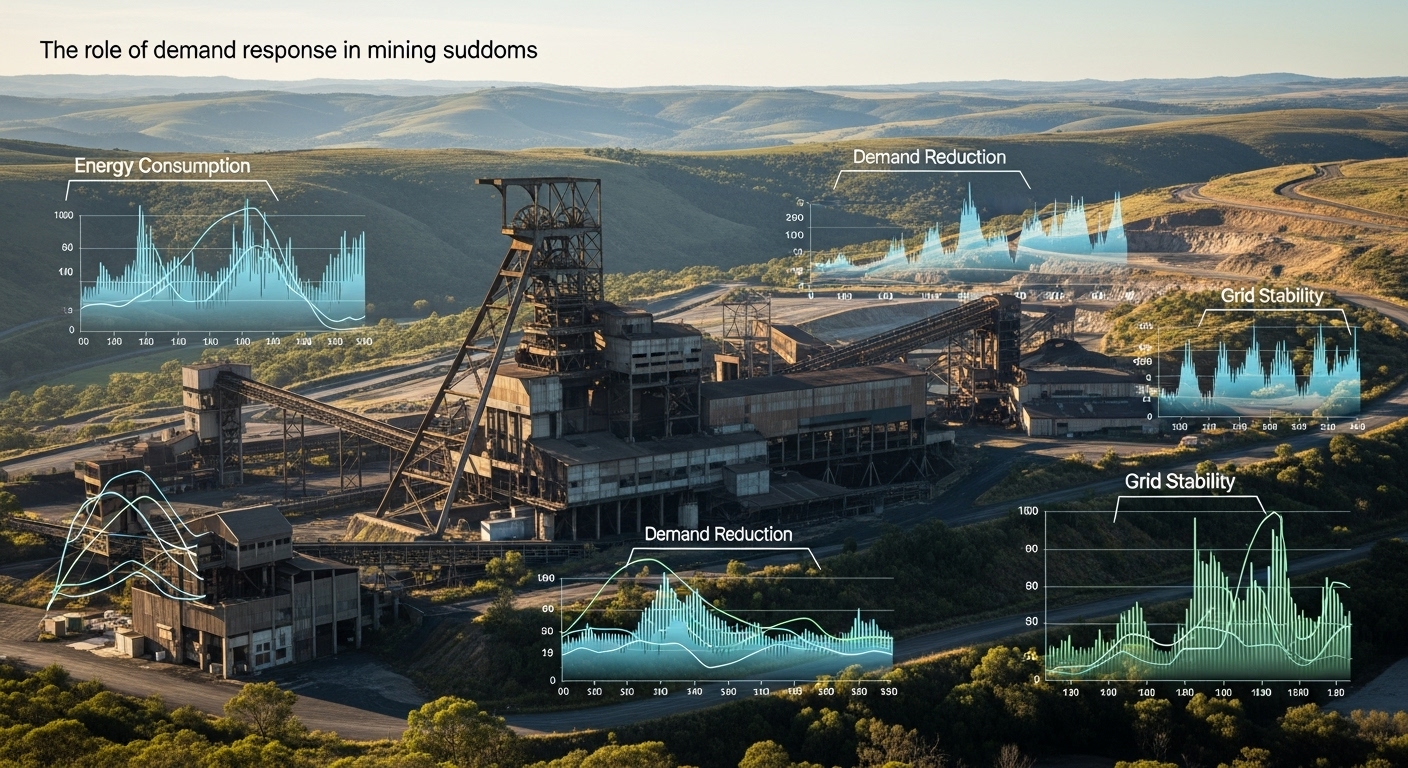
This matters because it means storm-driven curtailments can happen quickly and at scale. Even if only a slice of miners are enrolled in formal demand response, many operators behave similarly because price signals or grid constraints make mining less attractive in the short term.
Why Texas and other US hubs are sensitive to deep freezes
Texas often sits at the center of these conversations because it has a large industrial load footprint and a distinctive grid market structure. But it’s not only Texas. Any concentration of large mining facilities in cold-impacted regions can contribute to hash rate volatility when an Arctic storm front moves through.
The key point is not the state name—it’s the concentration of ASIC miners, the availability and stability of power, and how rapidly operators can curtail. If enough sites reduce load around the same time, the network notices.
How lower hash rate stretches Bitcoin block times past 12 minutes
Bitcoin targets a 10-minute average block interval, but it doesn’t guarantee every block will arrive on schedule. Block discovery is probabilistic. Over short windows, blocks can come fast or slow even with stable hash rate. But when the network hash rate drops sharply and stays lower, the odds shift toward longer intervals.
Think of the network like a lottery where miners buy “tickets” with compute power. A sudden reduction in total tickets means the expected time to find a winner increases—until the protocol corrects course.That correction mechanism is mining difficulty.
Mining difficulty: the self-correcting mechanism that lags
Bitcoin adjusts difficulty roughly every 2,016 blocks (about two weeks under normal conditions). If blocks are coming in slower than 10 minutes on average, the next adjustment reduces difficulty so blocks can return to target speed.
But here’s the catch: difficulty doesn’t adjust instantly. During the window between an Arctic storm front disrupting US Bitcoin mining and the next difficulty epoch, block times can remain elevated. That’s when you see averages drift past 12 minutes, especially if the hash rate drop is large and sustained.
Analyses of prior storm periods pointed to a hash rate plunge paired with block-time spikes, including observations of block-time levels rising well above target during severe weather-linked disruptions. And public charting tools track these shifts over time, making the “block times past 12 minutes” narrative easy to verify when it occurs.
Why “past 12 minutes” is a meaningful threshold
Twelve minutes isn’t magic, but it’s psychologically and operationally noticeable:When block times stretch past 12 minutes, confirmation wait times lengthen for users who rely on “one confirmation” as a rough settlement milestone. Exchanges may become more cautious. Wallets may estimate longer waits. And if mempool demand stays constant, there’s less block space arriving per hour, which can put upward pressure on fees.It’s also headline-friendly: “Block times are over 12 minutes” communicates that something is off tempo without forcing readers to understand difficulty math.
What slower blocks mean for transactions, fees, and confirmations
When an Arctic storm front disrupts US Bitcoin mining and block times stretch past 12 minutes, the first place everyday users feel it is in transaction settlement.Fewer blocks per hour means fewer opportunities to include transactions. If demand remains steady, the mempool can thicken. When the mempool thickens, miners prioritize higher-fee transactions, which can push up the going rate for fast confirmation.
This doesn’t automatically mean a fee crisis. If overall transaction demand is low, slower blocks may be barely noticeable. But if demand is moderate or high, the combination of reduced block cadence and competition for block space can increase transaction fees and confirmation times.
Confirmation time vs block time: the subtle difference
People often treat “block time” and “confirmation time” as identical. They’re related, but not the same. Block time is the interval between blocks. Confirmation time is how long a specific transaction waits before being included in a block.
In storm-driven mining disruptions, both can worsen, but confirmation time can swing more dramatically depending on fee market behavior. That’s why some reports during prior disruptions highlighted sharp changes in the time it took to confirm transactions during periods of stress.
Why this isn’t “Bitcoin breaking” (and what resilience looks like)
Whenever block times rise, critics frame it as a failure. But Bitcoin was designed to handle hash rate volatility—whether it comes from storms, hardware migrations, policy shocks, or market cycles.Resilience here means two things:First, the chain keeps producing blocks. Even at 12+ minutes, blocks still arrive, transactions still settle, and the ledger remains consistent globally.
Second, the protocol adapts via difficulty adjustment. The network doesn’t need a committee meeting to respond to an Arctic storm front disrupting US Bitcoin mining. It needs time and blocks. Once enough blocks pass, the system re-tunes itself.This is one reason why difficulty adjustments become a focal point after extreme weather events. Storm-driven curtailments can be dramatic, but the protocol’s feedback loop is built to absorb exactly that kind of shock.
The miner’s perspective: pain, opportunity, and operational reality
For miners, a deep freeze is a complicated event—not purely bad, not purely good.On the “pain” side, weather can cause direct downtime, equipment risk, logistics constraints, and power instability. If you have to curtail during high-fee periods, you may miss lucrative blocks. And if you’re on variable power pricing, extreme cold can make electricity uneconomical fast. 
On the “opportunity” side, slower blocks can raise fees, which increases revenue per block for miners who remain online. If you have stable power and robust facilities, you may capture a larger share of rewards during competitors’ downtime. After the event, if difficulty adjusts downward, miners who are online into the next epoch may enjoy temporarily improved economics until hash rate returns.
Facility hardening and “winterization” as a competitive edge
The phrase “winterization” became widely discussed in energy circles after major cold-weather grid events. In mining, the equivalent is designing for extreme conditions: insulation, redundant heating for sensitive systems, reliable networking, backup arrangements, and power procurement structures that don’t collapse under stress.As Arctic storm fronts recur, resilient operators increasingly treat harsh weather readiness as a strategic advantage, not a nice-to-have.
Market and narrative impact: why traders watch storms
Even though Bitcoin is global, the market reacts to perceived shocks. When the Arctic storm front disrupts US Bitcoin mining, social feeds light up with hash rate charts and block-time screenshots. Traders may interpret a sharp hash rate drop as short-term network stress, and media outlets often connect these events to broader themes about infrastructure, energy policy, and Bitcoin’s footprint.
Historical reporting has connected major US winter storms with pronounced hash rate declines and widespread outages, reinforcing the idea that extreme weather can visibly ripple into Bitcoin’s on-chain metrics.That said, it’s worth keeping scale in mind. A temporary slowdown is not the same as a sustained systemic problem. In most cases, the story evolves in a familiar arc: disruption, slower blocks, fee adjustments, then difficulty re-targeting and normalization.
What to monitor during a storm-driven mining disruption
If you want to understand these events in real time, focus on a few core signals:One is the network hash rate estimate, which reflects how much mining power is active. Another is the observed average block time, which can be tracked through public dashboards and charts. A third is mempool conditions and fee rates, which reflect demand relative to block production. Finally, watch the countdown to the next difficulty adjustment, because that’s when the protocol “catches up” to the new reality.When block times stretch past 12 minutes, it’s often a sign the network is temporarily underpowered relative to the current difficulty setting. That’s exactly what the next adjustment is designed to address.
The bigger picture: climate volatility and infrastructure stress
Arctic storm front disruptions are part of a broader pattern: more frequent and more intense weather volatility testing critical infrastructure. For Bitcoin mining, that means the business increasingly resembles a sophisticated energy-management operation, not just a warehouse of machines.
Operators with diversified sites, flexible power contracts, and hardened infrastructure are better positioned to ride out storms. Meanwhile, the network itself continues to demonstrate that it can digest regional shocks—because the protocol doesn’t care why hash rate dropped, only that it did.This is the paradox that keeps repeating: localized stress can create global metrics that look dramatic, yet the system continues, adapts, and rebalances.
Conclusion
When an Arctic storm front disrupts US Bitcoin mining, it can push network block times past 12 minutes by knocking hash rate lower while difficulty remains temporarily too high. The immediate effects show up as slower confirmations and potential fee pressure, especially if transaction demand stays steady. For miners, storms create both risk and opportunity, rewarding operational resilience and smart energy strategy. And for the network, it’s a real-world stress test that highlights Bitcoin’s core design: keep producing blocks, then self-correct through difficulty adjustment. The tempo may wobble during the freeze, but the system’s feedback loop is built to bring it back in line.
FAQs
Q: Why does an Arctic storm front affect Bitcoin at all?
Because US Bitcoin mining depends on electricity and stable infrastructure. Extreme cold can cause outages, raise demand on power grids, and trigger miner curtailments, reducing hash rate and slowing blocks.
Q: Are 12+ minute block times dangerous for Bitcoin?
Not usually. Bitcoin’s block interval is probabilistic, and the protocol adjusts mining difficulty over time to return toward the 10-minute target. Temporary slowdowns are expected during large hash rate shifts.
Q: Will transaction fees always rise when block times stretch past 12 minutes?
Not always. Fees rise when demand for block space is high relative to supply. If demand is low, slower block production may not meaningfully change fees.
Q: How long does it take for Bitcoin to “fix” slower blocks?
Typically until the next difficulty adjustment, which occurs about every 2,016 blocks. If blocks are slower, the calendar time to reach that adjustment can lengthen.
Q: Where can I track block times during a mining disruption?
Public data dashboards and charting sites track observed average block time over time, making it possible to see when blocks drift above 12 minutes.
Also More: Bitcoin Miner Reserves Hit Record Low as Revenue Collapses