The Ethereum Name Service has long been one of the most recognizable and widely adopted pieces of Web3 infrastructure. From simplifying wallet addresses to powering decentralized identity across applications, ENS has positioned itself as a core naming layer of the Ethereum ecosystem. Recently, however, ENS Labs Drops Namechain L2 made a strategic pivot that has caught the attention of developers, investors, and governance participants alike. The decision to scrap the proposed Namechain Layer 2 and instead move ENSv2 fully onto the Ethereum mainnet marks a significant moment in the project’s evolution.
At first glance, abandoning a dedicated Layer 2 might seem counterintuitive in an era where scalability discussions dominate blockchain development. Yet, when examined more closely, this move reflects deeper priorities around decentralization, security, protocol neutrality, and long-term sustainability. ENS Labs is effectively betting that Ethereum’s base layer, combined with thoughtful protocol design, is the best foundation for the next generation of ENS.
This article explores why ENS Labs scrapped Namechain L2, what ENSv2 on Ethereum mainnet actually means, and how this shift could reshape decentralized naming, identity, and governance. We will also analyze the broader implications for Ethereum, Layer 2 ecosystems, and Web3 infrastructure as a whole.
Understanding ENS and Its Role in Web3
What the Ethereum Name Service Really Is
The Ethereum Name Service is far more than a convenience tool for shortening wallet addresses. ENS functions as a decentralized naming system that maps human-readable names like “alice.eth” to machine-readable identifiers such as Ethereum addresses, content hashes, and metadata. By doing so, it enables a more intuitive and user-friendly interface for interacting with blockchain-based applications.
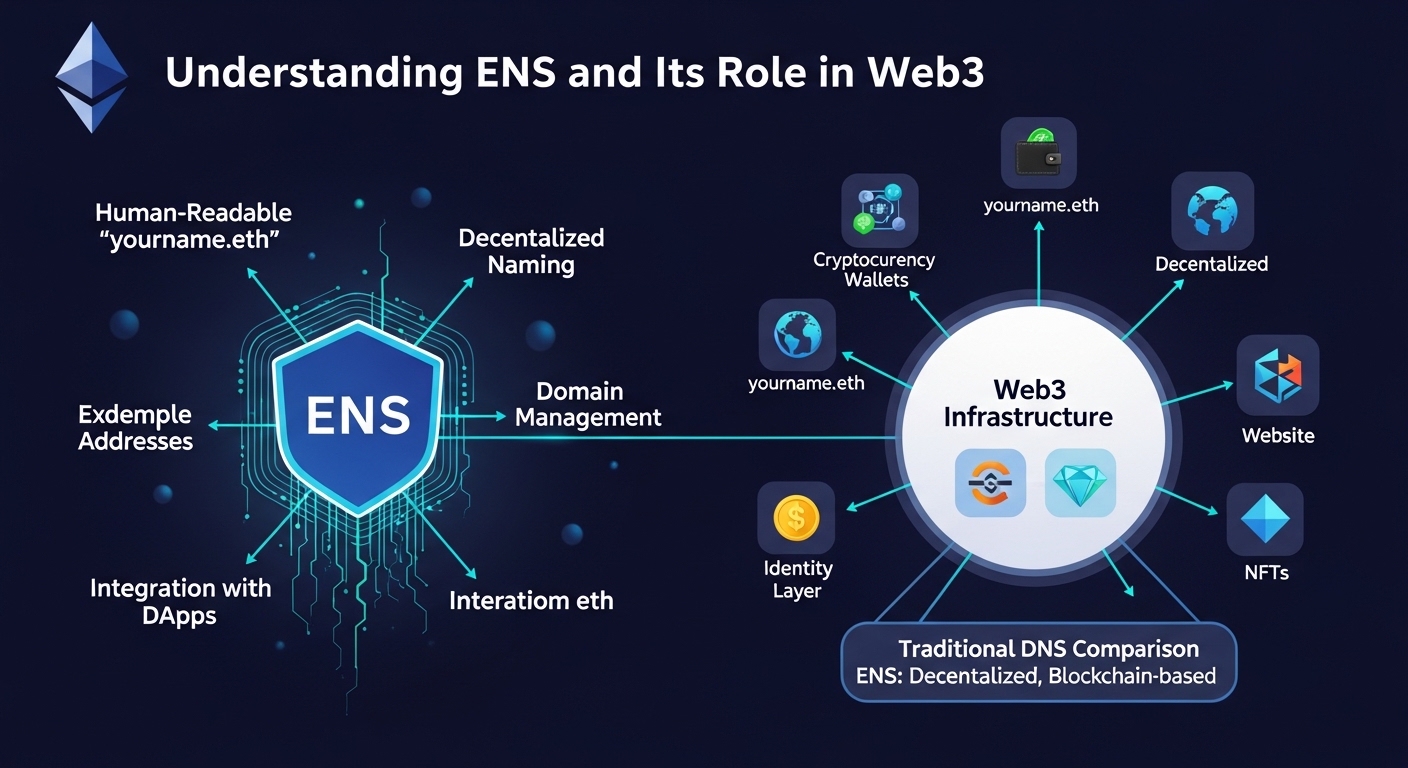
ENS operates as a set of smart contracts on Ethereum, governed by the ENS DAO, and powered by open standards. This architecture has allowed ENS to integrate deeply with wallets, decentralized applications, NFT platforms, and identity solutions across the ecosystem.
Why ENS Is Considered Critical Infrastructure
Over time, ENS has become a form of decentralized public good. Its neutrality, censorship resistance, and reliance on Ethereum mainnet security have helped it gain trust among users and developers. ENS names are not just labels; they are increasingly used as digital identities, login credentials, and reputation markers across Web3.
Because of this role, any architectural decision made by ENS Labs carries ecosystem-wide consequences. The decision to abandon Namechain L2 and refocus ENSv2 on Ethereum mainnet therefore deserves careful examination.
The Original Vision Behind Namechain L2
Why ENS Labs Considered a Dedicated Layer 2
Namechain was proposed as a specialized Layer 2 solution designed specifically for ENS. The idea was to reduce gas costs, improve scalability, and allow more complex ENS-related operations without congesting Ethereum mainnet. In theory, this would have enabled cheaper registrations, renewals, and advanced name management features.At the time, many Ethereum-native projects were exploring application-specific Layer 2 solutions. With rising gas fees and increasing demand, Namechain appeared to align with broader scaling trends in the ecosystem.
The Trade-Offs of an ENS-Specific L2
Despite its potential benefits, Namechain L2 also introduced significant trade-offs. A dedicated Layer 2 would have required new trust assumptions, additional bridges, and ongoing maintenance. It risked fragmenting ENS liquidity and usage, while also introducing complexity for users and developers who value ENS precisely because of its simplicity and reliability.As the Ethereum ecosystem matured, these concerns became more pronounced, setting the stage for a strategic rethink.
Why ENS Labs Scrapped Namechain L2
Security and Trust Considerations
One of the core reasons ENS Labs scrapped Namechain L2 was security. ENS names represent identity, ownership, and sometimes substantial economic value. Anchoring these assets directly to Ethereum mainnet security minimizes attack surfaces and reduces reliance on bridging mechanisms, which have historically been vulnerable points in blockchain systems.By keeping ENSv2 fully on Ethereum, ENS Labs reinforces the idea that naming infrastructure should be as secure and trust-minimized as possible.
Decentralization and Protocol Neutrality
Another critical factor was decentralization. A dedicated ENS Layer 2 could have introduced centralization pressures around sequencers, governance, or upgrade paths. ENS Labs has consistently emphasized that ENS should remain a neutral protocol, not tightly coupled to proprietary infrastructure.Scrapping Namechain aligns ENS more closely with Ethereum’s ethos of credible neutrality and decentralized governance.
Ecosystem Fragmentation Risks
Layer 2 proliferation has brought innovation, but it has also created fragmentation. ENS Labs recognized that forcing users and developers to interact with a specific L2 for core naming functionality could reduce adoption and create friction.By remaining on Ethereum mainnet, ENSv2 ensures universal accessibility across wallets, dApps, and tooling without additional complexity.
What ENSv2 on Ethereum Mainnet Means
Architectural Improvements in ENSv2
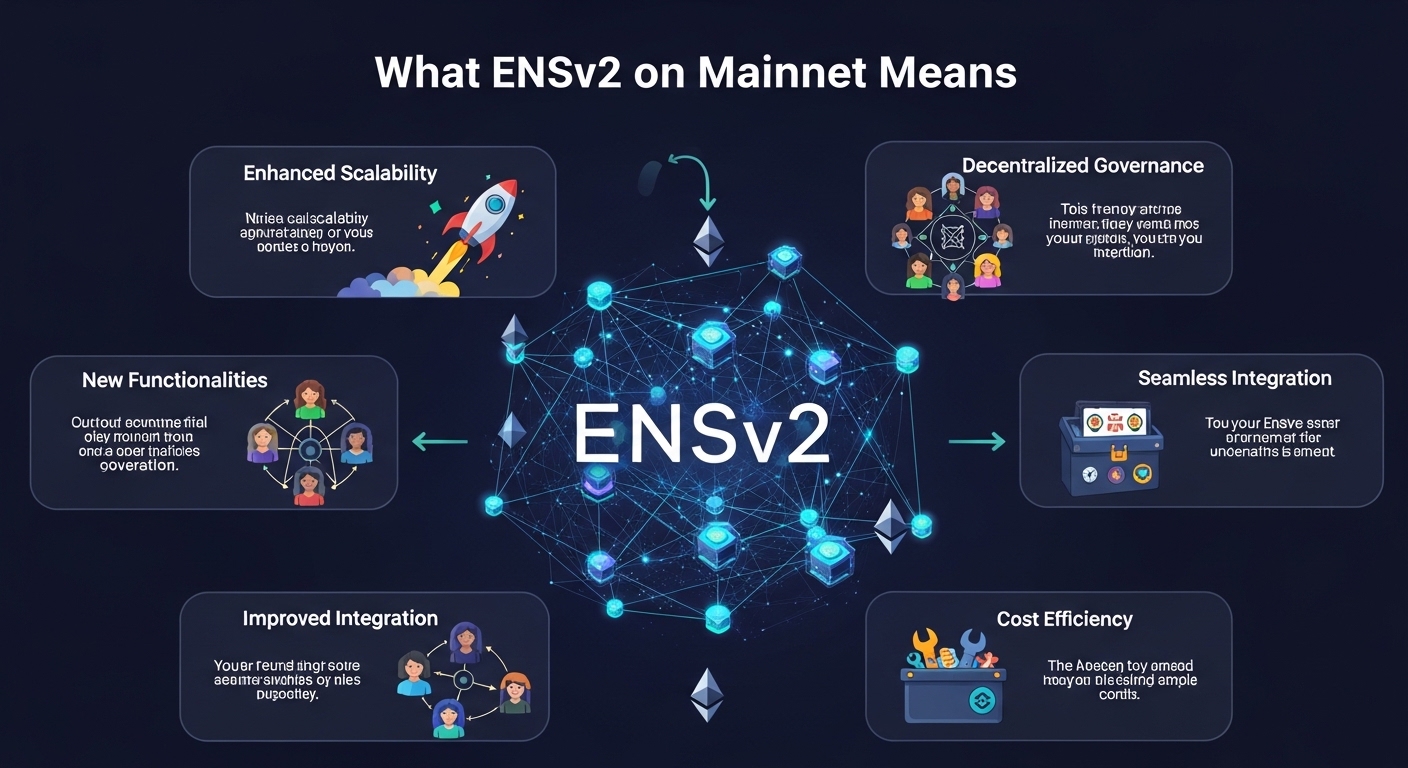
ENSv2 is not merely a continuation of the existing system. It represents a significant architectural upgrade designed to improve extensibility, efficiency, and long-term maintainability. Running directly on Ethereum mainnet allows ENSv2 to leverage mature tooling, battle-tested infrastructure, and robust developer support.The upgrade focuses on modular smart contract design, enabling future enhancements without compromising backward compatibility.
Gas Optimization Without Leaving Mainnet
One common assumption is that staying on mainnet necessarily means high gas costs. ENSv2 challenges this narrative by introducing optimized contract logic and more efficient data structures. While transactions on Ethereum will never be free, ENS Labs aims to reduce unnecessary overhead and make common operations more affordable.This approach reflects a broader trend of smart contract optimization rather than wholesale migration to alternative execution layers.
Implications for ENS Users
Improved Reliability and Simplicity
For everyday users, the shift away from Namechain L2 means fewer moving parts. ENS names remain where users expect them to be: on Ethereum mainnet. There is no need to bridge assets, manage multiple networks, or worry about L2-specific risks.This simplicity enhances user confidence and reinforces ENS as a dependable identity layer.
Long-Term Value of ENS Names
ENS names are often viewed as digital real estate. By anchoring ENSv2 firmly to Ethereum, ENS Labs strengthens the long-term value proposition of ENS domains. Users can be more confident that their names will remain secure, interoperable, and widely recognized across the ecosystem.
Impact on Developers and dApp Builders
Easier Integration Across the Ecosystem
Developers benefit significantly from ENS remaining on mainnet. Most Ethereum tooling, SDKs, and infrastructure providers are optimized for mainnet interactions. ENSv2’s design allows developers to integrate naming and identity features without dealing with additional network abstractions.This lowers development friction and encourages broader adoption of ENS standards.
Stronger Composability With DeFi and NFTs
ENS names are already deeply integrated into DeFi protocols, NFT marketplaces, and social dApps. By avoiding a separate Layer 2, ENSv2 preserves and enhances this composability, ensuring that ENS continues to function as a universal naming primitive across Web3.
Broader Implications for Ethereum
A Vote of Confidence in Ethereum Mainnet
ENS Labs’ decision can be interpreted as a strong endorsement of Ethereum mainnet’s long-term viability. Rather than viewing Layer 2s as replacements, ENS treats them as complementary scaling tools while keeping critical infrastructure anchored to the base layer.This reinforces Ethereum’s position as the settlement and security layer for high-value protocols.
Rethinking Application-Specific Layer 2s
The scrapping of Namechain L2 may prompt other projects to reassess whether application-specific Layer 2s are always the right choice. In some cases, optimization and thoughtful design on mainnet may offer a better balance of security, decentralization, and usability.
Governance and the Role of the ENS DAO
Community Influence on Strategic Direction
The ENS DAO plays a central role in guiding the project’s evolution. The decision to abandon Namechain L2 reflects extensive discussion around risk, values, and long-term goals. It highlights the importance of governance in shaping infrastructure decisions that affect millions of users.
Aligning Technical Choices With ENS Values
ENS has always emphasized openness, neutrality, and resilience. Moving ENSv2 fully to Ethereum mainnet aligns technical architecture with these values, ensuring that governance decisions reinforce the protocol’s mission.
Comparing ENSv2 to Other Naming Systems
ENS Versus Alternative Blockchain Naming Solutions
Other blockchain ecosystems offer naming services, often built directly into their respective Layer 1s or sidechains. However, many lack the level of decentralization, security, and interoperability that ENS derives from Ethereum.By doubling down on Ethereum mainnet, ENS strengthens its differentiation as a globally recognized decentralized naming standard.
Network Effects and Brand Trust
ENS benefits from powerful network effects. Wallets, exchanges, and applications recognize and support ENS names by default. Maintaining this trust requires conservative, security-first decisions, which the move away from Namechain L2 clearly reflects.
Long-Term Vision for ENS After Namechain
Scaling Through Standards, Not Silos
ENS Labs appears focused on scaling through open standards and ecosystem collaboration rather than isolated infrastructure. ENSv2 is designed to evolve alongside Ethereum, benefiting from improvements such as protocol upgrades and future scaling innovations.
ENS as a Foundation for Decentralized Identity
Looking ahead, ENS is poised to play a central role in decentralized identity, reputation systems, and onchain social graphs. Anchoring this functionality to Ethereum mainnet ensures maximum credibility and cross-application compatibility.
Conclusion
The decision by ENS Labs to scrap Namechain L2 and shift ENSv2 fully to Ethereum mainnet is more than a technical adjustment; it is a statement of values. By prioritizing security, decentralization, simplicity, and long-term trust over short-term scalability gains, ENS reinforces its role as critical Web3 infrastructure.
ENSv2 on Ethereum mainnet represents a mature approach to protocol design, one that recognizes the importance of credible neutrality and ecosystem-wide interoperability. For users, developers, and the broader Ethereum community, this move strengthens confidence in ENS as the definitive decentralized naming system.As Ethereum continues to evolve, ENS’s alignment with the base layer ensures that human-readable names remain a secure, universal, and enduring component of the decentralized internet.
FAQs
Q: Why did ENS Labs abandon the Namechain Layer 2?
ENS Labs abandoned Namechain L2 due to concerns around security, decentralization, ecosystem fragmentation, and added complexity. Keeping ENSv2 on Ethereum mainnet reduces trust assumptions and preserves protocol neutrality.
Q: Does ENSv2 on Ethereum mainnet mean higher gas fees?
Not necessarily. ENSv2 introduces optimized smart contract architecture aimed at reducing unnecessary gas usage, even while remaining on mainnet.
Q: How does this decision affect existing ENS name holders?
Existing ENS name holders benefit from increased security, simplicity, and long-term stability, as their names remain anchored directly to Ethereum mainnet.
Q: What does this mean for developers building with ENS?
Developers gain easier integration, better composability with DeFi and NFTs, and access to mature Ethereum tooling without managing an additional Layer 2.
Q: Is ENS rejecting Layer 2 solutions entirely?
No. ENS Labs recognizes the importance of Layer 2s for scaling but believes that core naming infrastructure is best secured on Ethereum mainnet while remaining compatible with the broader ecosystem.