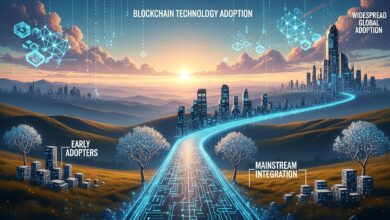
Blockchain Transforms Supply Chain Emissions Tracking
Blockchain transforms supply chain emissions tracking with paid solutions, enabling transparent carbon accounting, compliance, and sustainability reporting.

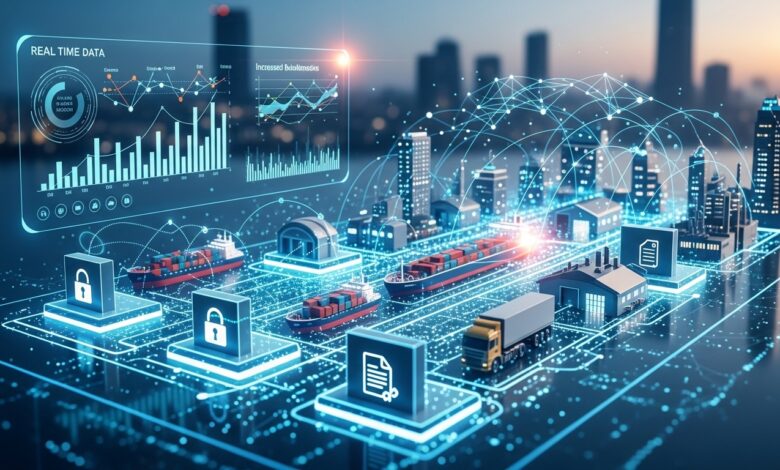
Climate accountability has moved from a voluntary corporate talking point to a regulatory and financial imperative. Governments, investors, and consumers now expect companies to measure, report, and reduce their environmental impact with precision. At the center of this shift lies one of the most complex challenges modern enterprises face: accurately tracking emissions across global supply chains. Traditional methods rely heavily on fragmented data, manual reporting, and trust-based disclosures that are prone to errors, delays, and greenwashing risks. This is where blockchain transforms supply chain emissions tracking with paid solutions, reshaping how sustainability data is collected, verified, and monetized.
Supply chains often span dozens of countries, hundreds of suppliers, and multiple tiers of production. Each stage generates carbon emissions, but capturing this data consistently has historically been difficult. Spreadsheets, periodic audits, and self-reported metrics fail to provide real-time visibility or immutable records. As environmental regulations tighten and ESG reporting becomes standardized, these limitations are no longer acceptable. Companies need verifiable, tamper-resistant systems that can scale globally while integrating seamlessly with existing enterprise software.
Blockchain technology, combined with paid emissions-tracking platforms, offers a compelling answer. By leveraging distributed ledgers, smart contracts, and tokenized incentives, organizations can create transparent and auditable carbon footprints across their entire value chain. Paid solutions add enterprise-grade features such as advanced analytics, regulatory alignment, third-party verification, and integration with carbon markets. Together, they form a new digital infrastructure for environmental accountability that is both trustworthy and commercially viable.
This article explores how blockchain transforms supply chain emissions tracking with paid solutions, examining the technology, business models, regulatory implications, and future outlook. It explains why companies are increasingly willing to pay for these platforms and how they are redefining sustainability as a measurable, enforceable, and value-generating discipline.
The Growing Complexity of Supply Chain Emissions
Why Traditional Emissions Tracking Falls Short
Modern supply chains are highly decentralized, involving raw material extraction, manufacturing, logistics, warehousing, and distribution across multiple jurisdictions. Each activity contributes to greenhouse gas emissions, but data collection remains siloed. Most organizations rely on suppliers to self-report emissions, often using different methodologies and assumptions. This creates inconsistencies that undermine credibility and comparability.
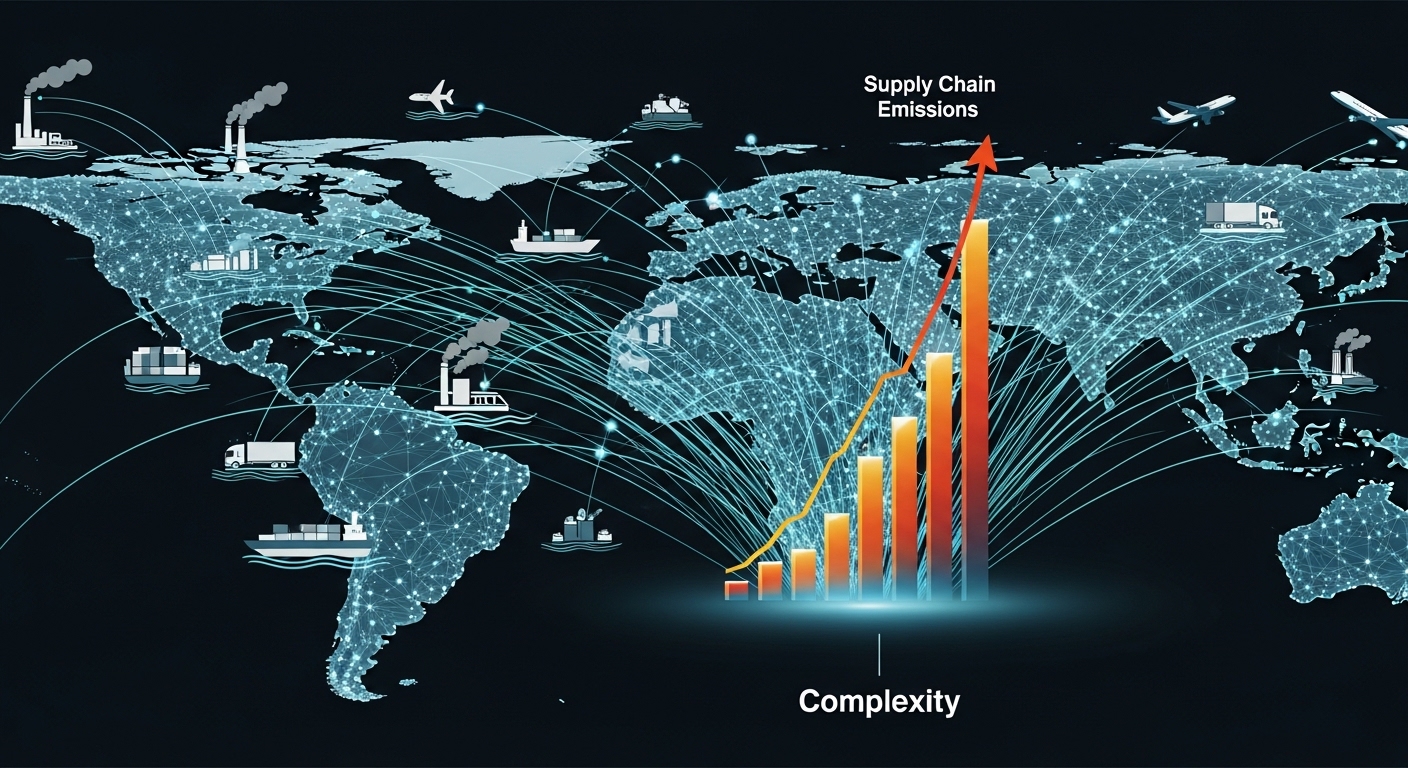
Manual audits are expensive and infrequent, offering only snapshots rather than continuous insight. Data manipulation, whether intentional or accidental, is difficult to detect. As a result, companies struggle to meet carbon accounting standards and face reputational and regulatory risks. These shortcomings highlight why blockchain transforms supply chain emissions tracking with paid solutions that emphasize automation, transparency, and trust.
Scope 3 Emissions as the Core Challenge
For many industries, Scope 3 emissions account for more than 70 percent of total carbon output. These emissions occur outside a company’s direct operations, embedded in purchased goods, transportation, and downstream use of products. Tracking them requires collaboration across multiple independent entities, each with its own incentives and systems.
Blockchain enables shared data environments where suppliers can record emissions data in a standardized, immutable format. Paid platforms enhance this capability by offering onboarding support, data validation, and compliance frameworks aligned with global standards such as the GHG Protocol and ISO guidelines. This combination makes Scope 3 emissions more measurable and manageable.
How Blockchain Technology Enables Emissions Transparency
Immutable Ledgers and Trustless Verification
At its core, blockchain is a distributed ledger that records transactions in a tamper-resistant manner. Once emissions data is written to the chain, it cannot be altered without consensus from the network. This immutability creates a single source of truth for sustainability reporting, reducing disputes and audit costs.
In emissions tracking, blockchain records data points such as energy consumption, fuel usage, and production volumes at each supply chain stage. Smart contracts automate calculations, ensuring consistency and accuracy. This is one of the primary reasons blockchain transforms supply chain emissions tracking with paid solutions that focus on enterprise trust.
Real-Time Data Sharing Across Stakeholders
Blockchain networks allow multiple participants to access and contribute data simultaneously. Suppliers, manufacturers, logistics providers, auditors, and regulators can all view relevant emissions information based on permissioned access. This real-time visibility enables faster decision-making and proactive emissions reduction strategies.
Paid blockchain platforms typically include dashboards, analytics tools, and API integrations that make complex data understandable and actionable. These features transform raw emissions data into strategic insights that drive operational improvements and sustainability investments.
The Role of Paid Solutions in Blockchain Emissions Tracking
Why Enterprises Prefer Paid Platforms
While open-source blockchain tools exist, large organizations increasingly opt for paid solutions that offer reliability, scalability, and compliance support. Emissions tracking is mission-critical, directly impacting regulatory reporting, investor confidence, and brand reputation. Paid platforms provide service-level agreements, customer support, and continuous updates that free internal teams from technical maintenance.
These solutions also integrate with existing supply chain management systems, ERP platforms, and IoT devices. Sensors can automatically feed data into the blockchain, reducing manual input and errors. This seamless integration is a key factor in why blockchain transforms supply chain emissions tracking with paid solutions rather than purely experimental tools.
Advanced Analytics and Reporting Capabilities
Paid emissions tracking platforms go beyond data storage. They offer advanced analytics that identify emissions hotspots, benchmark suppliers, and simulate reduction scenarios. Machine learning models can forecast future emissions based on production plans, helping companies align sustainability goals with business growth.
Regulatory reporting is another major value driver. Paid solutions often include templates and automated reports aligned with frameworks such as CSRD, TCFD, and SEC climate disclosures. This reduces compliance costs and ensures consistency across jurisdictions.
Monetization Models Behind Emissions Tracking Platforms
Subscription-Based Sustainability Software
Most paid blockchain emissions tracking platforms operate on subscription models. Companies pay annual or monthly fees based on the size of their supply chain, number of transactions, or volume of data processed. This predictable revenue model supports continuous innovation and platform stability.
Subscriptions typically include access to core blockchain infrastructure, analytics dashboards, and compliance tools. Premium tiers may offer custom integrations, advanced forecasting, and third-party verification services. This model reinforces how blockchain transforms supply chain emissions tracking with paid solutions into a scalable business ecosystem.
Transaction Fees and Carbon Market Integration
Some platforms monetize through transaction fees, particularly when integrated with carbon offset markets or tokenized credits. When emissions data triggers the purchase, issuance, or retirement of carbon credits, blockchain ensures transparency and traceability. Platforms earn fees for facilitating these transactions, aligning financial incentives with emissions reduction outcomes.This integration creates a feedback loop where accurate data directly influences financial decisions. Companies can offset emissions more efficiently while maintaining auditable records that satisfy regulators and investors.
Industry Use Cases Driving Adoption
Manufacturing and Industrial Supply Chains
Manufacturers face intense scrutiny over their environmental impact, especially in energy-intensive sectors such as steel, cement, and chemicals. Blockchain-based emissions tracking allows manufacturers to verify supplier data and demonstrate progress toward net-zero targets.
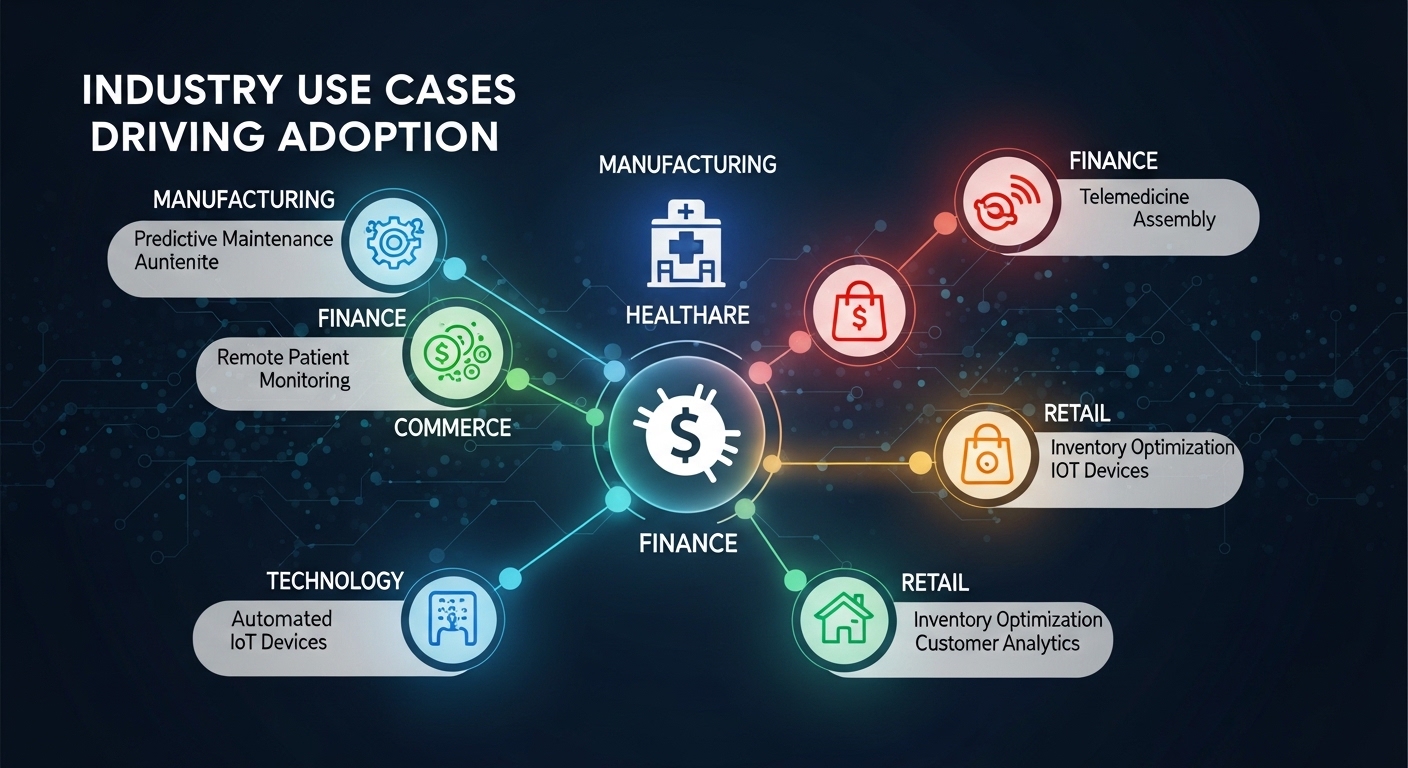
Paid platforms enable cross-border collaboration, standardizing emissions reporting across diverse supplier networks. This consistency enhances credibility and supports sustainable procurement strategies, illustrating how blockchain transforms supply chain emissions tracking with paid solutions in heavy industry.
Retail and Consumer Goods
Retailers are under pressure from consumers demanding transparency about product sustainability. Blockchain enables end-to-end tracking of emissions from raw materials to store shelves. Paid solutions enhance this transparency with consumer-facing tools, such as QR codes that display verified sustainability data.This approach builds trust and differentiates brands in competitive markets. It also supports eco-labeling initiatives and compliance with emerging product disclosure regulations.
Regulatory and Compliance Implications
Meeting Global Climate Disclosure Requirements
Governments worldwide are introducing mandatory climate disclosures that require detailed emissions data. Non-compliance can result in fines, legal exposure, and reputational damage. Blockchain-based systems provide auditable trails that simplify compliance and reduce regulatory risk.
Paid solutions stay up to date with evolving regulations, embedding compliance logic into smart contracts and reporting tools. This adaptability is critical in a rapidly changing policy landscape and underscores why blockchain transforms supply chain emissions tracking with paid solutions into a compliance asset.
Reducing Greenwashing Risks
Greenwashing allegations can severely damage corporate credibility. Blockchain’s immutable records make sustainability claims verifiable, reducing the risk of misleading disclosures. Third-party auditors can independently verify data without relying on manual documentation.Paid platforms often include verification partnerships, enhancing trust among investors and stakeholders. This transparency strengthens ESG ratings and supports long-term value creation.
Challenges and Limitations of Blockchain-Based Tracking
Data Quality and Standardization Issues
Blockchain ensures data integrity after entry, but it does not guarantee data accuracy at the source. Ensuring reliable input requires standardized methodologies, training, and sometimes IoT integration. Paid solutions address this by providing validation tools and standardized emission factors.Despite these advances, onboarding small suppliers remains a challenge. Cost, technical literacy, and data availability can slow adoption, particularly in developing regions.
Cost Considerations for Smaller Businesses
While large enterprises can absorb subscription fees, smaller suppliers may struggle with the cost of paid platforms. Some solutions address this through tiered pricing or subsidized access funded by lead companies. Over time, economies of scale and regulatory mandates are likely to reduce barriers.
The Future of Blockchain in Emissions Tracking
Integration with AI and IoT
The next evolution of emissions tracking lies in combining blockchain with artificial intelligence and IoT sensors. Real-time data collection and predictive analytics will enable proactive emissions management rather than retrospective reporting.
Paid platforms are already investing in these capabilities, creating intelligent sustainability ecosystems. This convergence will further reinforce how blockchain transforms supply chain emissions tracking with paid solutions into a strategic business function.
Toward Tokenized Sustainability Incentives
Tokenization opens new possibilities for incentivizing emissions reductions. Suppliers could earn digital tokens for verified improvements, redeemable for financial rewards or preferential contracts. Blockchain ensures fairness and transparency in these incentive schemes.As carbon markets mature, tokenized credits linked to verified emissions data could become mainstream, embedding sustainability directly into financial systems.
Conclusion
Blockchain is no longer an experimental technology in sustainability; it is becoming foundational infrastructure. By providing immutable records, real-time visibility, and automated verification, blockchain addresses the core weaknesses of traditional emissions tracking. When combined with enterprise-grade, paid solutions, it delivers scalability, compliance, and actionable insights that modern supply chains require.
As regulations tighten and stakeholders demand accountability, companies cannot rely on fragmented, trust-based reporting systems. Instead, they are turning to platforms where blockchain transforms supply chain emissions tracking with paid solutions that align environmental responsibility with operational efficiency and financial performance. This shift marks a decisive step toward transparent, data-driven sustainability that can support global climate goals while enabling competitive advantage.
FAQs
Q: How does blockchain improve accuracy in emissions tracking?
Blockchain ensures that once emissions data is recorded, it cannot be altered. Combined with standardized inputs and automated calculations, this reduces errors and manipulation in carbon reporting.
Q: Why are paid solutions preferred over free blockchain tools?
Paid solutions offer enterprise support, regulatory alignment, advanced analytics, and system integrations that free tools typically lack, making them more suitable for large-scale supply chains.
Q: Can small suppliers participate in blockchain emissions tracking?
Yes, many platforms offer tiered pricing or simplified interfaces for smaller suppliers, though cost and technical adoption can still be challenges.
Q: How does blockchain help with regulatory compliance?
Blockchain provides auditable, transparent records that align with climate disclosure regulations, reducing compliance costs and legal risks.
Q: Will blockchain replace traditional sustainability audits?
Blockchain will not eliminate audits entirely but will streamline them by providing verified, real-time data that auditors can trust and validate more efficiently.
Also More: Free Bitcoin Cloud Mining Platforms 2025 Top 5 Legal Sites