Low Bitcoin Mining Costs in Iran 50x ROI Potential
Discover how low Bitcoin mining costs in Iran could unlock a 50x ROI opportunity amid global hash rate shifts and energy price disparities.

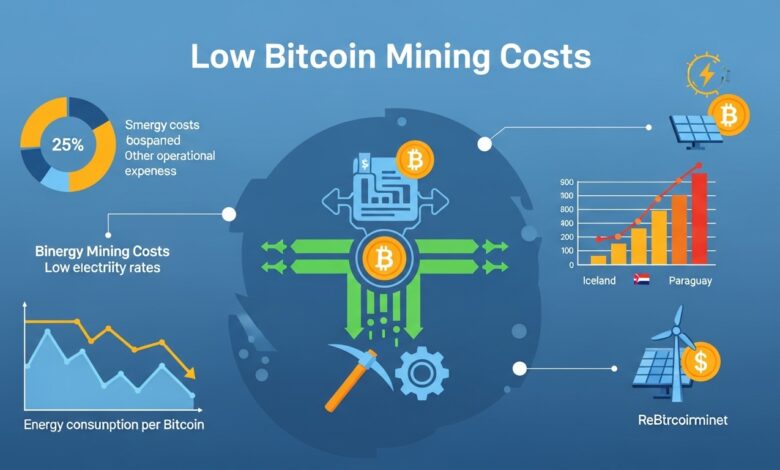
The global Bitcoin mining landscape has undergone a dramatic transformation over the past few years. As regulatory pressure intensifies in some regions and electricity prices surge in others, miners are constantly seeking jurisdictions that offer a competitive edge. Among these emerging hotspots, Iran has increasingly attracted attention due to its uniquely low energy costs and government-regulated mining framework.
Low Bitcoin mining costs in Iran are not merely a regional curiosity; they represent a potentially transformative economic lever. In an industry where margins are often razor-thin and profitability hinges on operational efficiency, access to low-cost electricity can create exponential returns. Some analysts argue that under specific market conditions, the arbitrage opportunity created by Iran’s subsidized energy structure could translate into a 50x return on investment.
This article explores the structural reasons behind low Bitcoin mining costs in Iran, the macroeconomic and geopolitical factors influencing profitability, the risks involved, and whether the 50x ROI narrative is grounded in financial reality or speculative optimism. Through a detailed breakdown of cost structures, regulatory frameworks, and global mining economics, we aim to provide a comprehensive analysis that is both engaging and informative.
The Economics of Bitcoin Mining
Understanding the Cost Structure
Bitcoin mining is fundamentally an energy-intensive process. Miners deploy specialized hardware known as ASICs (Application-Specific Integrated Circuits) to solve cryptographic puzzles that secure the blockchain and validate transactions on the network. In exchange, they earn block rewards denominated in Bitcoin.
The two primary cost drivers in mining operations are hardware acquisition and electricity consumption. Hardware is a one-time capital expenditure, while electricity is an ongoing operational expense. Globally, electricity accounts for approximately 60% to 80% of total mining costs, making it the single most critical variable in determining profitability.
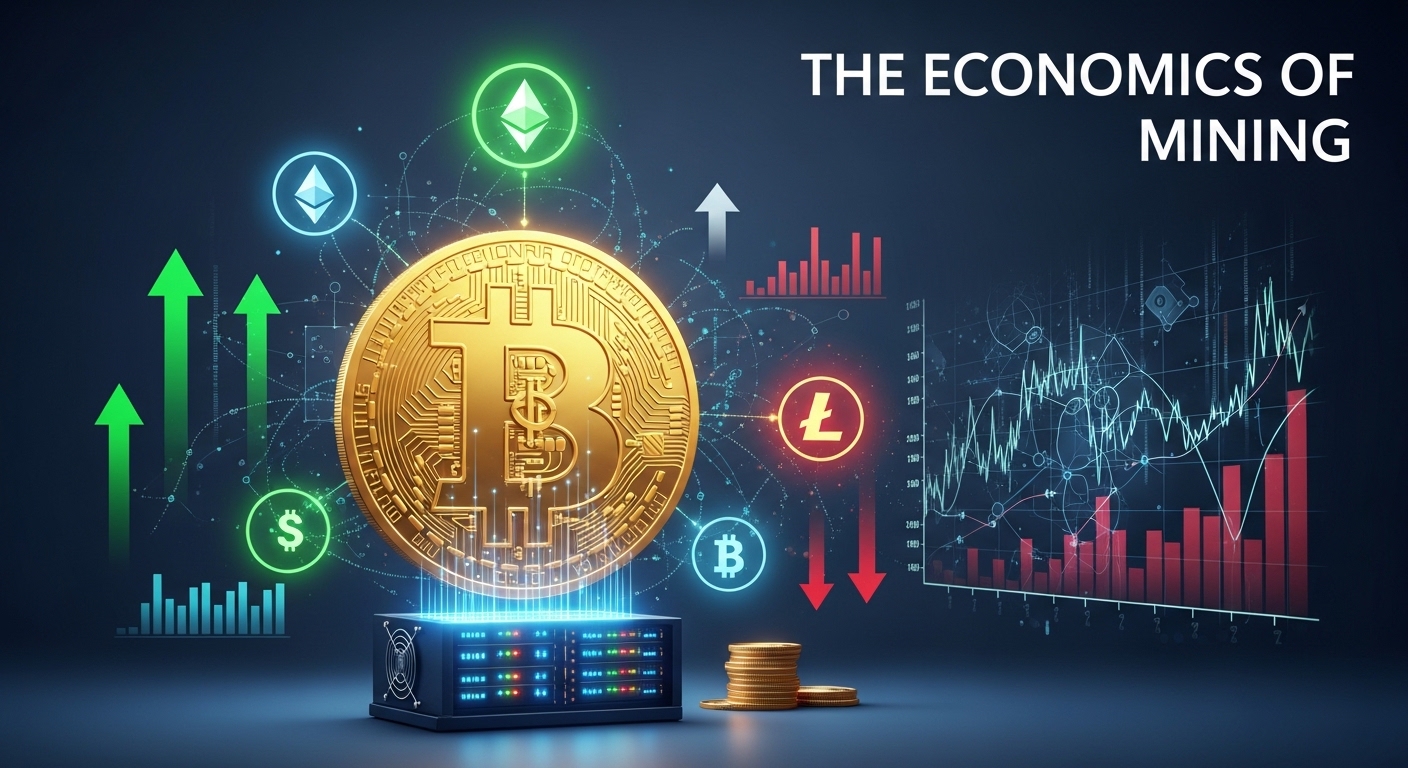
In countries with high electricity rates, mining profitability narrows significantly, especially during bear markets or periods following halving events. Conversely, in regions where energy is abundant and inexpensive, miners gain a substantial competitive advantage.
The Impact of Energy Prices on ROI
Return on investment in Bitcoin mining depends heavily on the delta between operational costs and Bitcoin’s market price. If the cost to mine one Bitcoin is significantly lower than the prevailing market price, miners generate strong margins. When this cost basis drops dramatically, ROI can accelerate at an exponential rate.
Low Bitcoin mining costs in Iran stem from the country’s subsidized energy system, which historically has provided electricity at rates far below the global average. This energy arbitrage creates a structural advantage for miners operating within its borders.
Why Low Bitcoin Mining Costs in Iran Exist
Energy Subsidies and Resource Abundance
Iran is one of the world’s leading producers of oil and natural gas. Its vast hydrocarbon reserves allow the government to subsidize domestic energy prices heavily. Electricity rates in Iran are among the lowest globally, particularly for industrial usage under regulated frameworks.
For Bitcoin miners, this means access to power at rates that can be a fraction of what miners pay in North America or Europe. In some cases, electricity costs have been reported at under $0.03 per kWh, although rates fluctuate depending on licensing and seasonal regulations.This structural pricing advantage forms the backbone of low Bitcoin mining costs in Iran.
Currency Dynamics and Arbitrage
Another contributing factor is Iran’s currency dynamics. The Iranian rial has experienced substantial depreciation over the years. For miners who can convert locally sourced energy and operational expenses into Bitcoin, which is globally traded and dollar-denominated, the currency mismatch can amplify profitability.This arbitrage effect means that operational costs denominated in rials may appear significantly lower when evaluated in USD terms, enhancing overall ROI potential.
Regulatory Landscape of Bitcoin Mining in Iran
Legalization and Licensing Framework
Unlike many countries that have oscillated between permissive and restrictive policies, Iran officially recognized cryptocurrency mining as a legal industrial activity in 2019. The government introduced a licensing regime that allows miners to operate within regulated parameters.
Licensed operations are subject to specific electricity tariffs and operational guidelines. While these tariffs are higher than residential rates, they remain competitive compared to international standards.The formalization of mining has helped create a structured environment that attracts industrial-scale operations rather than purely underground activity.
Periodic Restrictions and Power Grid Concerns
Despite legalization, Iran has periodically imposed temporary mining bans during peak electricity consumption periods, particularly in summer months. These restrictions are designed to protect the national grid from overload.
While such measures introduce operational risk, they also underscore the government’s desire to balance economic opportunity with infrastructure stability. Investors considering low Bitcoin mining costs in Iran must factor in the possibility of intermittent disruptions.
Calculating the 50x ROI Opportunity
Cost Per Bitcoin Analysis
To understand the claim of a 50x ROI opportunity, we must examine hypothetical scenarios. Suppose the cost to mine one Bitcoin in Iran is significantly lower than the global average. If, for instance, global average mining costs hover around $30,000 per Bitcoin while Iranian operations achieve production at $5,000 to $10,000 due to energy advantages, the margin spread becomes enormous during bull markets.When Bitcoin rallies to six-figure valuations, this cost differential compounds profitability dramatically. A miner producing Bitcoin at $7,000 during a $100,000 market price scenario would experience extraordinary margins.
Compounding Effects in Bull Cycles
Bitcoin’s historical price cycles have demonstrated exponential growth phases. During these periods, miners with low fixed operating costs benefit disproportionately. If low Bitcoin mining costs in Iran allow operators to survive bear markets while accumulating Bitcoin reserves, they stand to capture outsized gains during subsequent bull runs.The 50x ROI narrative typically assumes early capital deployment during depressed price cycles combined with disciplined holding strategies.
Geopolitical and Macroeconomic Influences
Sanctions and International Isolation
Iran operates under significant international sanctions, which complicate global financial integration. For miners, this can create challenges in acquiring hardware, securing international partnerships, and converting Bitcoin to fiat currencies.
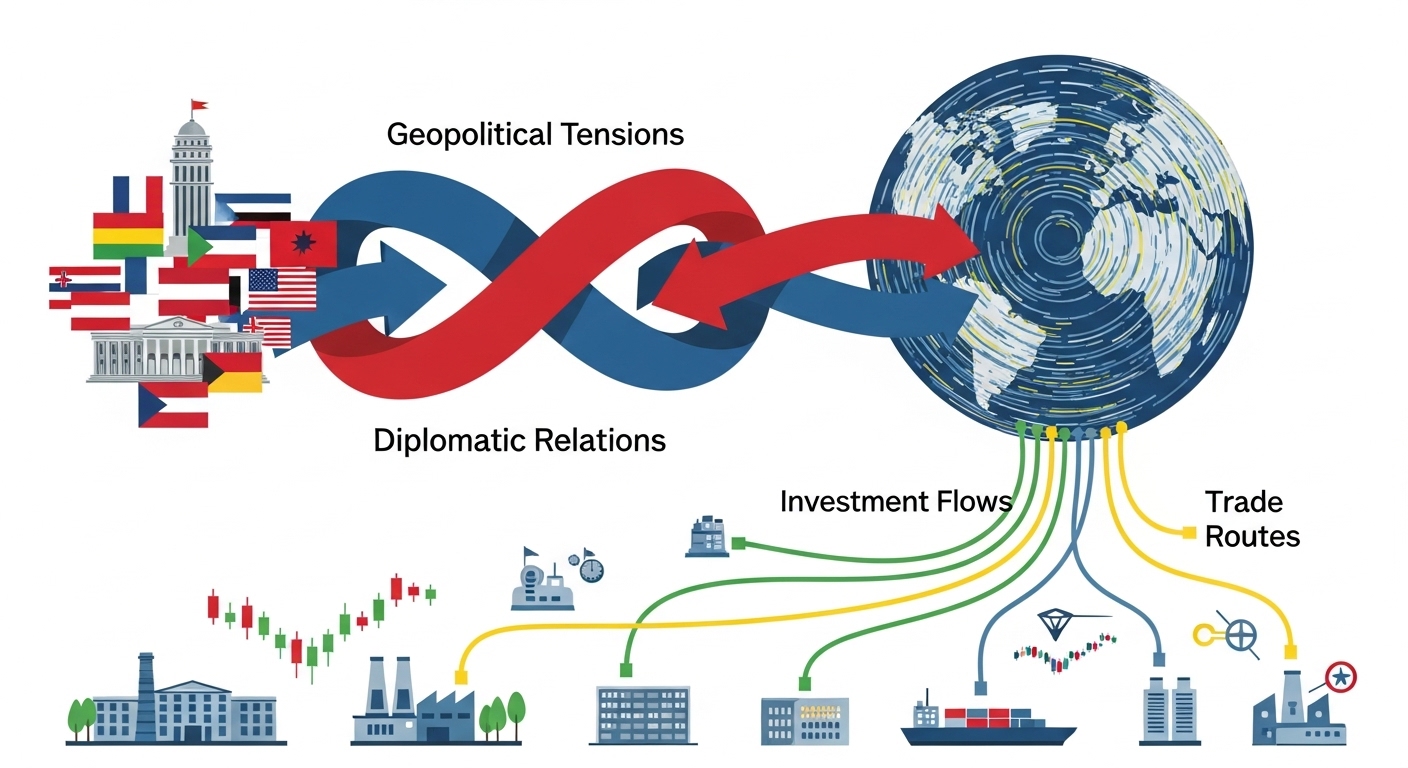
However, sanctions may also incentivize domestic mining as a method of generating foreign currency reserves. Bitcoin’s decentralized nature provides an alternative pathway for cross-border value transfer.Low Bitcoin mining costs in Iran therefore intersect with broader geopolitical strategies and economic resilience planning.
Energy Policy Reforms and Sustainability
Iran’s energy sector faces ongoing reform pressures. Subsidy reductions or structural changes to electricity pricing could alter the economics of mining operations. Additionally, sustainability concerns around fossil fuel usage may influence long-term regulatory frameworks.Investors must account for policy evolution when evaluating long-term ROI projections.
Infrastructure and Operational Considerations
Hardware Procurement and Logistics
Access to cutting-edge ASIC hardware is crucial for maintaining competitive hash rate performance. Sanctions and import restrictions can complicate procurement channels for Iranian miners. Nevertheless, creative supply chain strategies have emerged to mitigate these constraints.Operational efficiency extends beyond electricity costs. Cooling systems, facility management, and technical expertise also play vital roles in sustaining profitability.
Grid Stability and Seasonal Variability
Iran’s climate features extreme seasonal temperature variations, which can affect both electricity demand and cooling requirements. During hot summers, increased national energy consumption has led to temporary mining suspensions.Such variability introduces operational uncertainty. However, experienced operators design flexible strategies to minimize downtime and optimize deployment cycles.
Global Comparisons: Iran vs. Other Mining Hubs
United States and North America
The United States has become a dominant player in global Bitcoin mining following regulatory crackdowns in China. States such as Texas offer competitive energy rates, but overall costs remain higher than those associated with low Bitcoin mining costs in Iran.Regulatory transparency and infrastructure reliability provide advantages in the U.S., but electricity pricing often limits margin expansion compared to heavily subsidized environments.
Central Asia and Russia
Countries in Central Asia, along with Russia, have also attracted miners due to relatively low electricity costs. However, infrastructure limitations and regulatory shifts have introduced volatility.Iran’s structured licensing framework differentiates it from purely opportunistic mining regions, although geopolitical risk remains significant.
Risks and Realities Behind the 50x Claim
Market Volatility
Bitcoin remains a volatile asset. Mining profitability can deteriorate rapidly during extended bear markets. Even with low Bitcoin mining costs in Iran, prolonged price downturns can strain capital reserves.ROI projections must incorporate conservative price assumptions rather than relying solely on historical bull market peaks.
Regulatory and Political Risk
Government policy shifts can materially alter the mining landscape. Changes in electricity tariffs, licensing requirements, or enforcement intensity could impact cost structures.Investors must conduct comprehensive risk assessments and scenario planning before committing capital.
Long-Term Outlook for Bitcoin Mining in Iran
Strategic Positioning in a Competitive Market
As global hash rate continues to expand, efficiency becomes increasingly critical. Low Bitcoin mining costs in Iran offer a competitive moat that could sustain profitability even as block rewards decline over time.The next halving cycle will test miners worldwide. Those with structurally lower cost bases are better positioned to withstand revenue compression.
Potential for Industrial Expansion
If regulatory clarity improves and infrastructure investment continues, Iran could solidify its status as a major global mining hub. Expansion would likely focus on industrial-scale operations leveraging domestic energy abundance.Low Bitcoin mining costs in Iran could thus evolve from a niche opportunity into a cornerstone of the global mining ecosystem.
Conclusion
Low Bitcoin mining costs in Iran present a compelling economic proposition within the broader cryptocurrency landscape. Driven by subsidized energy, favorable currency dynamics, and a formal licensing framework, Iran offers miners a structurally lower cost base than many competing jurisdictions.
The concept of a 50x ROI opportunity is rooted in the intersection of low production costs and Bitcoin’s historically explosive bull cycles. While such returns are not guaranteed and come with significant regulatory and geopolitical risks, the underlying economic logic is sound: when operational costs are minimized, upside potential expands dramatically.
For investors and mining operators willing to navigate policy complexity and infrastructure variability, low Bitcoin mining costs in Iran may represent one of the most asymmetric opportunities in the global digital asset market. As with any high-reward scenario, disciplined risk management and long-term strategic planning remain essential.
FAQs
Q: Why are Bitcoin mining costs so low in Iran?
Low Bitcoin mining costs in Iran are primarily due to subsidized electricity rates supported by the country’s vast oil and natural gas reserves, combined with favorable currency dynamics.
Q: Is Bitcoin mining legal in Iran?
Yes, Bitcoin mining has been recognized as a legal industrial activity since 2019, subject to licensing and regulatory compliance.
Q: What risks do miners face in Iran?
Risks include seasonal electricity restrictions, regulatory changes, geopolitical sanctions, and Bitcoin price volatility.
Q: Can the 50x ROI claim be realistic?
A 50x ROI is possible under specific conditions involving low production costs and substantial Bitcoin price appreciation, but it is not guaranteed and carries significant risk.
Q: How does Iran compare to other mining hubs?
Compared to regions like North America or Central Asia, low Bitcoin mining costs in Iran provide a strong cost advantage, though geopolitical factors introduce additional considerations.
Also More: Bitcoin Slides to $60K Why Crypto Is Getting “Trumped”