Altcoin Seasonal Index at 22 Signals Weak Altcoin Momentum Ahead
The altcoin seasonal index remains low at 22. Learn what this means for crypto trends, Bitcoin dominance, and future altcoin opportunities.

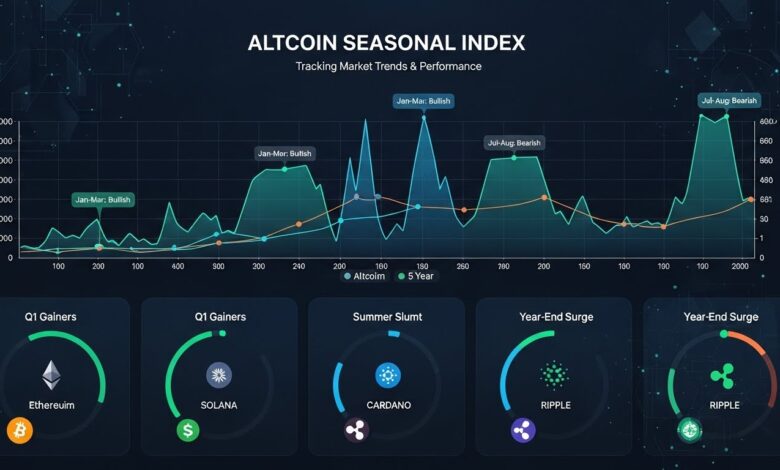
The altcoin seasonal index remains low, currently at 22, and this figure reflects a crucial stage of the evolving cryptocurrency market cycle. Traders, analysts, and investors often look to this index as a barometer of market sentiment, risk appetite, and the ongoing performance gap between Bitcoin and the wide universe of alternative cryptocurrencies. A low reading like this suggests that Bitcoin is significantly outperforming most altcoins, signaling a conservative environment where liquidity gravitates toward the market leader rather than flowing into riskier assets. Understanding why this matters, how it influences market behavior, and what it implies for the future can help both novice and experienced traders navigate the crypto landscape with confidence.
The altcoin seasonal index is a direct representation of how many altcoins are outperforming Bitcoin over a set period. When the index drops near the low twenties, it is widely recognized as a sign that Bitcoin is in control of the market. This dynamic often occurs during uncertain macroeconomic conditions or transitional phases between market cycles. Throughout the history of cryptocurrency markets, low altcoin seasonal index levels have frequently preceded significant shifts, from strong Bitcoin-led rallies to eventual altcoin seasons that can unleash powerful surges across the altcoin market. To understand where we may be heading, it is important to examine the meaning behind the current index reading and how traders should interpret this phase.
The altcoin seasonal index
The altcoin seasonal index serves as a straightforward yet powerful indicator that compares the performance of a large set of altcoins to Bitcoin over the previous ninety days. If many altcoins are outperforming Bitcoin, the index rises. If only a few do, the index drops. When analysts point out that the altcoin seasonal index remains low, currently at 22, they highlight that only a small fraction of altcoins have managed to outperform Bitcoin in recent months. This outcome confirms the presence of a strong Bitcoin trend where capital prefers the stability, liquidity, and market dominance of Bitcoin over more volatile alternative tokens.
The index typically uses a numerical scale where readings below forty suggest a Bitcoin season, readings near the midpoint show a neutral market environment, and readings above sixty point toward the onset of an altcoin season. While the exact methodology varies across platforms, the underlying principle is always the same. It aims to offer traders a simple way to understand whether the market favors Bitcoin or spreads enthusiasm across altcoins. A value of 22 places the market firmly within Bitcoin territory, a phase that historically precedes rotational shifts but demands cautious positioning from traders who rely heavily on altcoin exposure.
Why a low altcoin seasonal index matters

A low altcoin seasonal index resonates throughout the entire crypto ecosystem because it reveals the underlying sentiment of traders and institutional participants. When the market shows that the altcoin seasonal index remains low, currently at 22, it indicates that most altcoins are failing to keep pace with Bitcoin’s price performance. This scenario frequently emerges when the broader market is cautious, economic uncertainty is present, or investors are looking for safer positions within the crypto space. Bitcoin, being the most established and least volatile of the major cryptocurrencies, becomes the natural beneficiary of such behavior.
In periods of heightened caution, liquidity flows disproportionately into assets perceived as safe havens. Bitcoin’s unmatched liquidity profile and long track record make it the primary choice for traders seeking stability. This inflow increases Bitcoin dominance, weakening altcoins even further and reinforcing a cycle where the index continues to remain low. While this environment can seem discouraging for altcoin holders, it often sets the stage for future opportunities. After all, Bitcoin-led markets typically lay the foundation for eventual altcoin rallies, which can be more explosive once the cycle rotates.
The historical significance of a low index reading
Past crypto cycles offer valuable insights into what typically happens when the altcoin seasonal index remains low. Following major market corrections or long consolidation phases, Bitcoin tends to recover before altcoins. Its strong liquidity makes it more resilient during uncertain conditions. During these early recovery periods, Bitcoin dominance spikes and the altcoin seasonal index drops to the lower end of the scale. This phase is characterized by steady Bitcoin performance while many altcoins struggle to regain market confidence.
As Bitcoin stabilizes at higher price ranges, investor confidence often begins to return. The first group of altcoins to respond are usually the large-cap tokens such as Ethereum, Solana, or BNB. This transition marks a subtle but important shift in market behavior. Over time, as liquidity expands and confidence grows, more altcoins start to outperform Bitcoin. The altcoin seasonal index gradually climbs, signaling the early stages of renewed altcoin strength. Eventually, if momentum persists, markets enter a full altcoin season where even smaller caps rally dramatically. The present index reading of 22 suggests we are still in the early stages of this broader cycle.
What a low index means for long-term investors
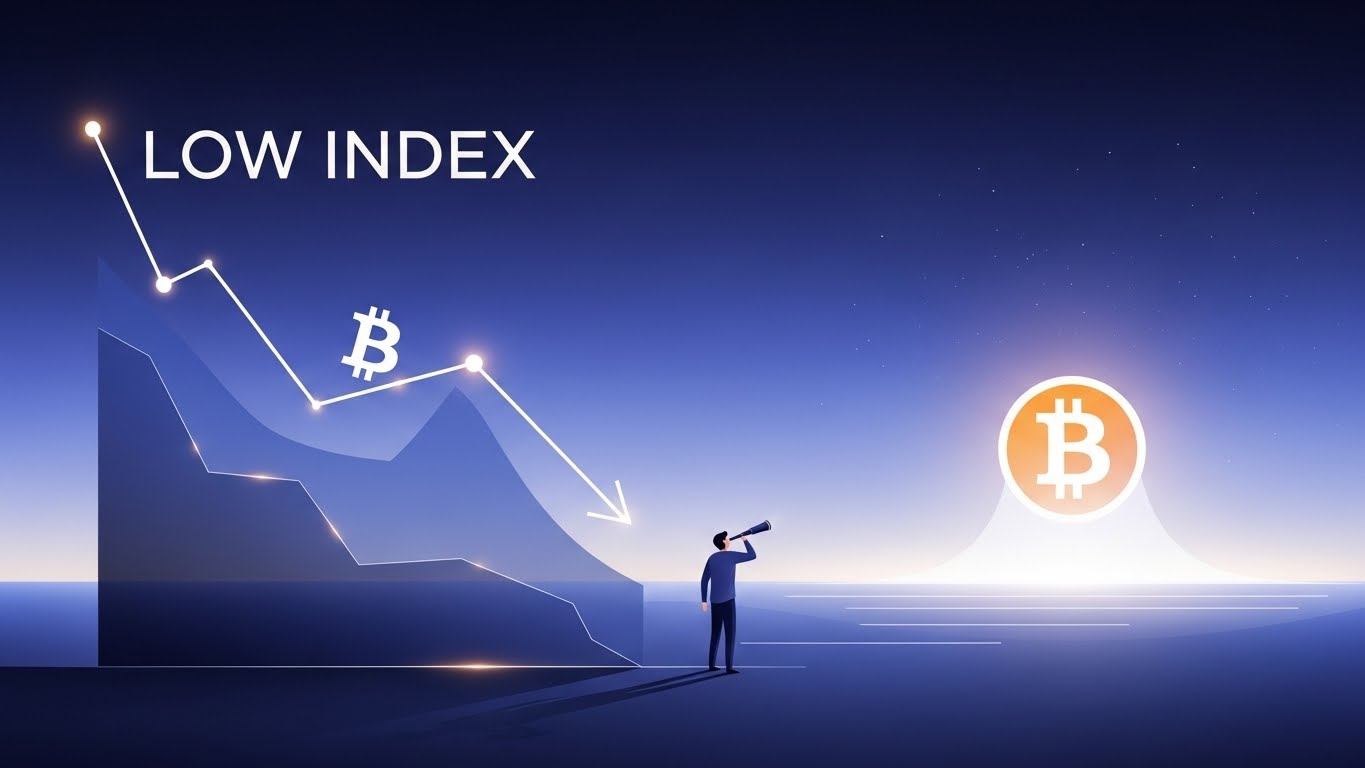
For long-term investors, the fact that the altcoin seasonal index remains low, currently at 22, can present unique advantages. During times like this, valuations of many fundamentally strong altcoins are more attractive, as widespread market focus remains on Bitcoin. This creates opportunities for strategic accumulation. Investors who believe in the long-term potential of blockchain technology, decentralized applications, scalable networks, and emerging crypto narratives may use this period to build positions gradually.
Rather than expecting quick gains, long-term investors typically view low-index environments as foundational phases. These are the moments when sentiment is relatively muted, speculative hype is limited, and project fundamentals become more important than short-term price action. For investors with patience and conviction, this period can serve as a crucial entry window before the market transitions into a more expansive phase where altcoins often outperform dramatically.
How swing traders and short-term traders interpret a low index
Swing traders and short-term market participants experience the impact of a low altcoin seasonal index differently. When the altcoin seasonal index remains low, currently at 22, it signals weaker momentum across the altcoin market. For traders who rely heavily on trend continuation, volatility, and breakout patterns, this environment presents more challenges. Altcoins may show temporary volatility spikes, but these moves lack broad market support, causing rallies to fade quickly and reversals to occur more frequently.
Because of this, swing traders often shift toward Bitcoin or high-liquidity large-cap coins during such periods. These assets tend to offer more predictable price behavior when the market is governed by strong Bitcoin dominance. Short-term traders may still find opportunities in altcoins, but these opportunities require tighter risk management, faster decision-making, and reduced exposure. The absence of widespread altcoin momentum means traders need to operate conservatively until market conditions become more favorable.
The importance of monitoring trend changes in the index
While the absolute number of 22 is meaningful, the direction of movement in the altcoin seasonal index carries even more significance. Markets evolve rapidly, and the index provides clues about shifting momentum. If the index remains low over an extended period, it confirms that altcoins continue to lag behind Bitcoin. However, if it begins climbing gradually from these lows, it may signal the early stages of capital rotation. Many traders and analysts view rising momentum in the index as a precursor to upcoming altcoin season behavior.
Monitoring these trend changes requires patience and consistency. Instead of expecting immediate reversals or sudden rallies, traders benefit more from watching how investor behavior shifts over weeks rather than days. The earliest indicators of a strengthening altcoin market often appear subtly, through rising volumes, improved sentiment, and gradually increasing numbers of altcoins outperforming Bitcoin. By the time the index reaches high levels, much of the early opportunity has already passed. Therefore, understanding the nuances of the index’s direction is essential for strategic positioning.
Using the altcoin seasonal index within your strategy
The altcoin seasonal index should function as a broader sentiment indicator that informs but does not dictate investment decisions. When the altcoin seasonal index remains low, currently at 22, it signals a Bitcoin-driven market and encourages a more cautious approach toward altcoin exposure. Traders can combine this indicator with other tools such as Bitcoin dominance charts, macroeconomic trends, and on-chain data to build a more complete view of current conditions.
A careful approach to altcoin allocation during a low-index phase does not mean abandoning the sector entirely. Rather, it involves being selective, focusing on high-quality projects, and avoiding excessive risk-taking. As conditions evolve and the index begins trending upward, traders may gradually increase their exposure to altcoins. Integrating the index with diversified market analysis ensures a balanced strategy that adapts to changing conditions rather than reacting impulsively to short-term market movements.
Could today’s low index be an opportunity in disguise?
Although sentiment may appear weak when the altcoin seasonal index remains low, currently at 22, historically such periods often precede some of the most lucrative phases of altcoin investing. When the market is quiet, and the majority of traders are focused solely on Bitcoin, undervalued altcoins quietly accumulate potential energy. Projects with strong teams, active development, innovative technology, and real-world utility frequently gain momentum once market interest shifts back in their direction.
This period can serve as a valuable time for research, evaluation, and accumulation. Investors who take a disciplined approach today may find themselves well-positioned when the market rotates and the altcoin seasonal index rises significantly. As seen in prior cycles, the transition from a low reading to a high reading can unleash widespread altcoin breakouts that reward early, strategic investors far more than those who enter during peak excitement.
Final thoughts
The fact that the altcoin seasonal index remains low, currently at 22, clearly shows that Bitcoin is leading the market while altcoins struggle to gain traction. This environment calls for patience, strategic allocation, and realistic expectations. While it may feel discouraging for altcoin enthusiasts, this stage is a natural and necessary part of the broader market cycle. Bitcoin first absorbs liquidity, establishes market stability, and restores confidence before altcoins begin their major moves.
Rather than signaling the end of altcoin potential, a low index often marks the beginning of the setup for the next major phase. By observing the index closely, analyzing broader market trends, and preparing ahead of time, traders and investors can position themselves advantageously for the eventual rise of altcoins. The market may be quiet today, but quiet phases have historically laid the groundwork for some of the most explosive altcoin seasons in crypto history.