Altcoins Crumble as ETH, XRP, SOL Slide
Altcoins crumble as ETH, XRP, and SOL lead crypto market losses amid rising geopolitical tensions and investor risk-off sentiment.

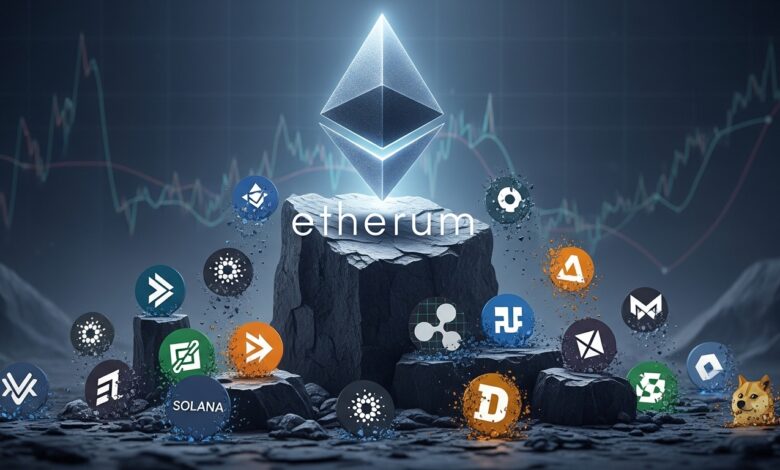
The cryptocurrency market has once again entered a turbulent phase as altcoins crumble under mounting global uncertainty. In recent sessions, major digital assets including Ethereum (ETH), XRP, and Solana (SOL) have posted significant losses, dragging the broader crypto market capitalization downward. While volatility has always been a defining feature of digital assets, the latest downturn appears closely linked to escalating geopolitical tensions and a shift in global risk sentiment
.As investors react to macroeconomic Altcoins Crumble as ETH instability, cross-border conflicts, and tightening financial conditions, the appetite for speculative assets has waned. Historically, altcoins tend to experience amplified downside pressure compared to Bitcoin during risk-off cycles. This pattern is unfolding once again, with ETH, XRP, and SOL leading declines across exchanges.In this in-depth analysis, we examine why altcoins crumble during geopolitical stress, how Ethereum, XRP, and Solana are being affected, and what this means for investors navigating an increasingly complex global landscape.
Why Altcoins Crumble During Geopolitical Uncertainty
When geopolitical tensions rise, financial markets typically respond with heightened volatility. Investors gravitate toward traditional safe-haven assets such as gold, the U.S. dollar, and government bonds. Risk-sensitive assets—including equities and cryptocurrencies—often experience capital outflows.
Risk-Off Sentiment and Capital Flight
The phrase “altcoins crumble” reflects a broader market phenomenon driven by risk aversion. During periods of uncertainty, institutional investors reduce exposure to high-beta assets. Altcoins, which generally exhibit greater volatility than Bitcoin, often suffer disproportionate losses.
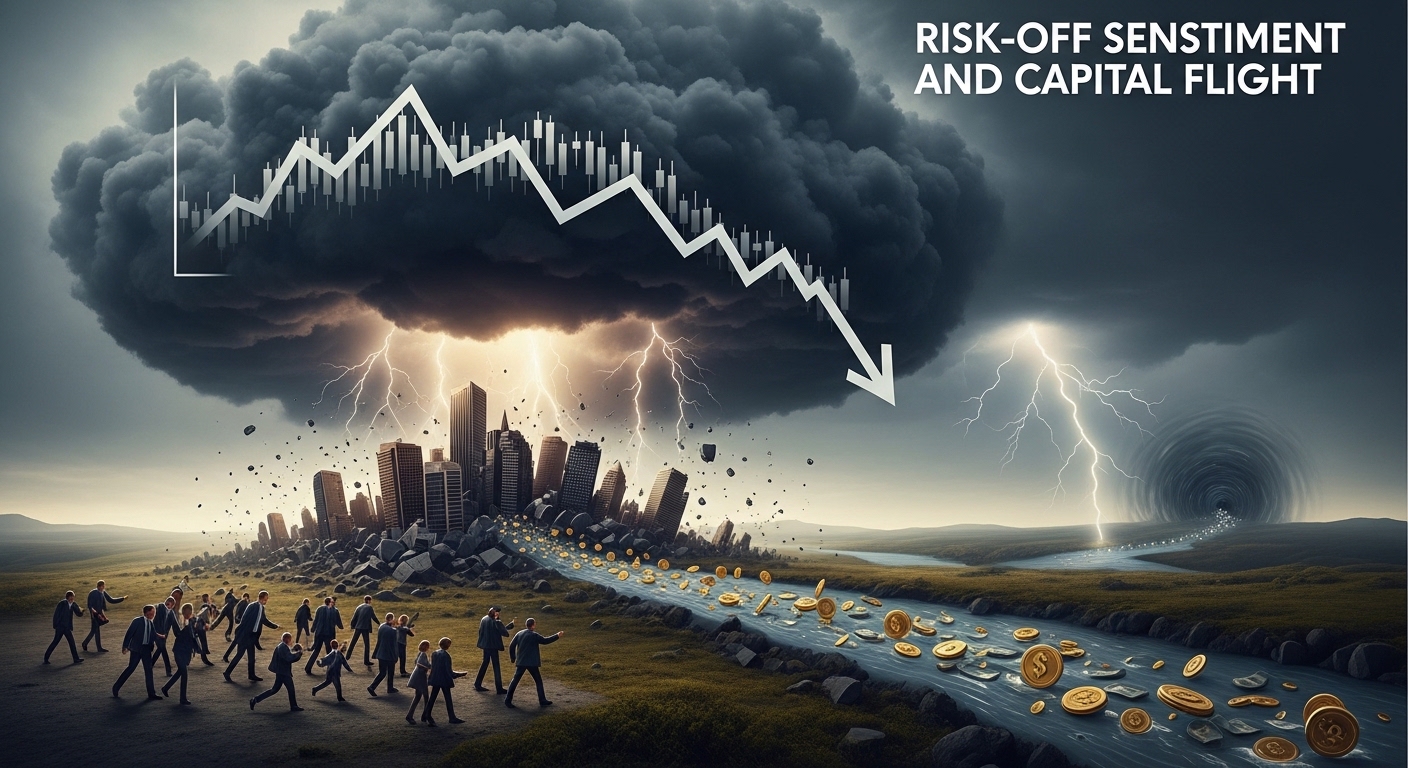
Unlike Bitcoin, which some investors view as “digital gold”, altcoins are typically associated with growth narratives, decentralized finance innovation, and emerging blockchain ecosystems. When uncertainty spikes, speculative capital retreats first from these higher-risk sectors.
Liquidity Compression and Market Structure
Another contributing factor when altcoins crumble is liquidity compression. In stressed environments, order books thin out, bid-ask spreads widen, and downside moves accelerate. Derivatives liquidations can further exacerbate price declines, triggering cascading sell-offs across multiple tokens.Altcoin markets tend to rely heavily on retail participation and leveraged trading. When volatility increases abruptly, forced liquidations intensify price swings, reinforcing bearish momentum.
Ethereum (ETH) Leads Major-Cap Declines
Ethereum’s Market Role and Sensitivity
Ethereum remains the largest altcoin by market capitalization and a cornerstone of the decentralized ecosystem. As the backbone of decentralized finance (DeFi), NFTs, and smart contracts, Ethereum is deeply integrated into the broader digital asset economy.When altcoins crumble, Ethereum typically acts as a barometer for overall altcoin performance. Its size and liquidity make it one of the first assets institutional traders reduce exposure to during macro-driven downturns.
Technical Pressure and On-Chain Signals
Recent price action shows Ethereum struggling to maintain key support levels. Increased exchange inflows suggest profit-taking and defensive positioning. Simultaneously, derivatives funding rates have turned negative, indicating growing short interest.On-chain data often reveals risk aversion before price fully reflects it. Declining staking inflows and reduced DeFi activity signal that participants are moving capital into stablecoins or exiting positions entirely.
XRP Slides as Regulatory and Global Risks Converge
XRP’s Unique Position in Cross-Border Payments
XRP has long been positioned as a digital asset optimized for cross-border settlements and institutional liquidity solutions. However, XRP’s price sensitivity to both regulatory and geopolitical developments makes it particularly vulnerable during uncertain times.
As geopolitical tensions rise, cross-border financial flows face scrutiny, sanctions risk increases, and global payment infrastructure becomes politically sensitive. This environment can weigh on tokens tied to international settlement narratives.
Market Sentiment and Trading Volume Trends
When altcoins crumble, XRP often experiences sharp volatility spikes. Declining spot volume combined with elevated derivatives activity can indicate speculative repositioning rather than organic demand. Traders may rotate into stable assets, leaving XRP exposed to deeper retracements.
Solana (SOL) Faces Heightened Volatility
Solana’s High-Beta Profile
Solana is widely regarded as one of the fastest-growing blockchain ecosystems, known for its high throughput and low transaction fees. However, SOL’s strong upside performance in bullish cycles often translates into sharper corrections during downturns.When altcoins crumble, high-beta tokens like SOL typically lead losses due to their stronger correlation with speculative market cycles.
Ecosystem Activity and Investor Confidence
Solana’s ecosystem activity—ranging from DeFi protocols to NFT marketplaces—serves as a core driver of its valuation. During geopolitical stress, users may reduce trading and decentralized application engagement, impacting transaction volumes and network metrics.Investor confidence becomes fragile in such environments, amplifying volatility.
The Broader Crypto Market Reaction
Bitcoin’s Relative Resilience
Although altcoins crumble, Bitcoin often demonstrates relative resilience. In previous market cycles, Bitcoin has acted as a partial hedge within the crypto sector itself. While it may decline during risk-off phases, its drawdowns are typically less severe than those of major altcoins.This dynamic often leads to Bitcoin dominance rising when altcoins crumble, reflecting capital rotation within the digital asset ecosystem.
Stablecoin Inflows and Defensive Positioning
Stablecoins play a crucial role during periods when altcoins crumble. Increased issuance and exchange inflows of dollar-pegged tokens indicate defensive positioning. Traders park capital in stablecoins while waiting for volatility to subside.Such capital rotation signals caution rather than long-term bearish conviction.
Geopolitical Tensions and Crypto Correlation with Traditional Markets
Equity Market Spillover Effects
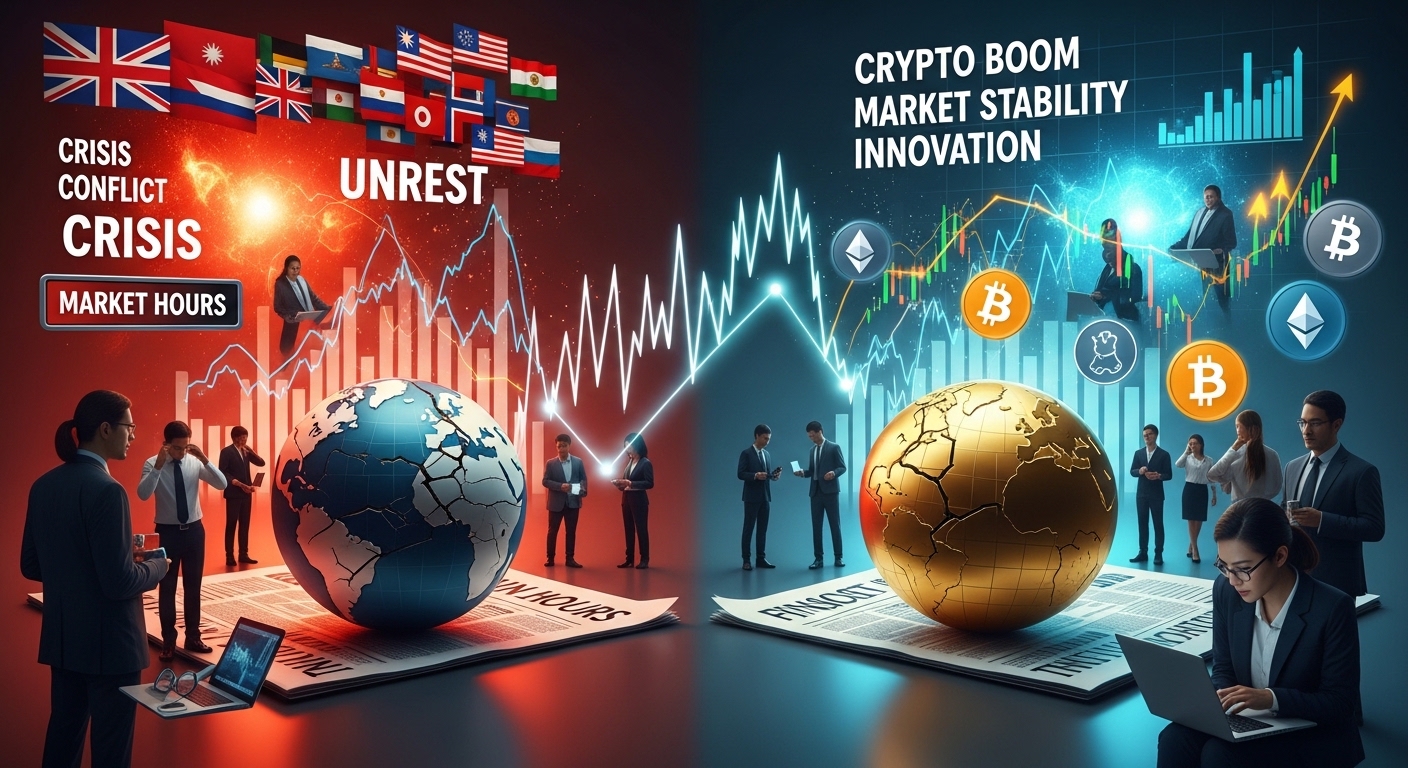
The cryptocurrency market increasingly correlates with global equity indices during macro stress events. When geopolitical tensions escalate, stock markets often decline sharply, pulling digital assets lower.As institutional adoption has grown, crypto markets have become more integrated with traditional finance. This interconnectedness means altcoins crumble alongside technology stocks during systemic shocks.
The U.S. Dollar and Liquidity Conditions
A strengthening U.S. dollar environment can pressure global liquidity. When the dollar rallies amid geopolitical turmoil, emerging market currencies weaken, and speculative capital tightens. Altcoins, being liquidity-sensitive assets, often experience downward pressure in such macro conditions.
Are Altcoins Fundamentally Weak or Temporarily Oversold?
Long-Term Adoption Trends
Despite the current downturn, blockchain adoption continues expanding globally. Ethereum’s smart contract dominance, XRP’s payment use cases, and Solana’s scalability innovations remain intact at a technological level.When altcoins crumble, price action may not necessarily reflect fundamental deterioration. Instead, it may represent cyclical repricing driven by external macro shocks.
Market Cycles and Historical Precedent
Crypto markets historically operate in boom-and-bust cycles. During previous geopolitical events, altcoins experienced steep drawdowns followed by recovery phases once uncertainty subsided.Investors analyzing whether altcoins crumble permanently or temporarily must distinguish between structural damage and sentiment-driven corrections.
Investor Strategies During Altcoin Downturns
Risk Management and Portfolio Diversification
When altcoins crumble, disciplined risk management becomes essential. Diversification across asset classes, position sizing, and avoiding excessive leverage can mitigate drawdowns.Professional traders often reduce exposure during high-volatility periods and re-enter gradually once macro clarity improves.
Monitoring On-Chain and Macro Indicators
On-chain analytics, funding rates, and macroeconomic signals offer valuable insights. Watching liquidity trends, exchange reserves, and derivatives positioning helps investors gauge whether selling pressure is exhausting or intensifying.
What Could Reverse the Trend?
De-Escalation of Geopolitical Tensions
A meaningful easing of geopolitical stress could restore investor confidence. Markets often rebound sharply when uncertainty diminishes.
Institutional Accumulation
Large-scale institutional accumulation can stabilize altcoin markets. If capital inflows return to Ethereum, XRP, or Solana, sentiment could shift rapidly.
Regulatory Clarity and Innovation
Regulatory clarity often reduces uncertainty premiums in digital assets. Continued technological innovation within blockchain ecosystems can also attract renewed interest.
Conclusion
The recent market downturn highlights how quickly altcoins crumble when geopolitical tensions intensify and macroeconomic uncertainty rises. Ethereum, XRP, and Solana have led losses, reflecting broader risk-off sentiment across financial markets.
However, history suggests that such corrections are often cyclical rather than structural. While short-term volatility may persist, the underlying technological innovation within blockchain ecosystems remains significant.
For investors, the key lies in distinguishing between panic-driven selling and long-term opportunity. In a rapidly evolving global landscape, understanding why altcoins crumble—and when they may recover—can provide a strategic advantage.
FAQs
Q: Why do altcoins crumble faster than Bitcoin during geopolitical tensions?
Altcoins generally carry higher volatility and lower liquidity compared to Bitcoin. During risk-off periods, investors reduce exposure to higher-risk assets first, leading to sharper declines.
Q: Is Ethereum more vulnerable than Bitcoin in uncertain times?
Ethereum often experiences larger percentage swings due to its role in DeFi and smart contracts. However, its strong ecosystem fundamentals can support recovery once sentiment improves.
Q: How do geopolitical tensions impact crypto markets?
Geopolitical tensions increase uncertainty, strengthen safe-haven assets, tighten liquidity, and trigger capital flight from speculative markets like cryptocurrencies.
Q: Could XRP and Solana recover quickly after the downturn?
Yes, if geopolitical stress eases and investor risk appetite returns, high-beta assets like XRP and Solana can rebound sharply.
Q: Should investors buy when altcoins crumble?
This depends on individual risk tolerance, time horizon, and market analysis. Some investors view downturns as accumulation opportunities, while others prefer waiting for confirmation of trend reversal.
Also More: 3 Altcoins to Watch in February 2026 Market Shift