Bitcoin miners power down amid US winter storm
Bitcoin miners are shutting down U.S. rigs during a winter storm to protect grids, manage costs, and stabilize hashrate. Here’s what it means.

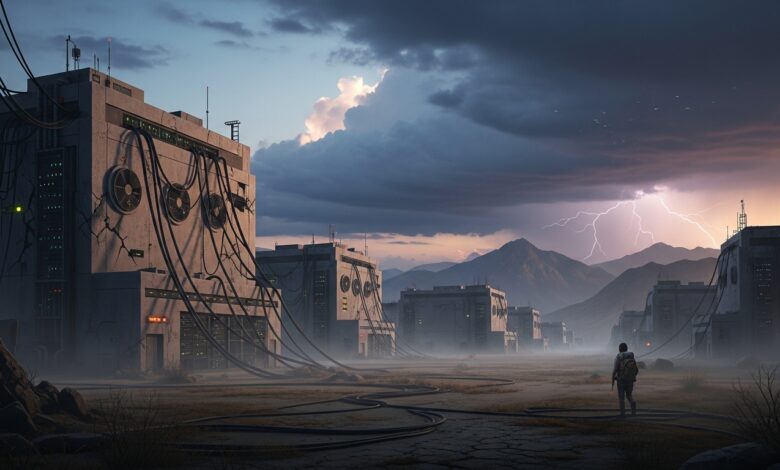
A major winter storm doesn’t just disrupt travel plans and freeze pipes—it can also reshape how energy-hungry industries operate in real time. Over the past several days, Bitcoin miners across the United States have been dialing back or fully powering down parts of their operations as extreme cold tightened electricity supply and pushed grids closer to stress. The decision isn’t just about surviving bad weather; it’s about responding to a fast-changing power market where prices can spike, grid operators can issue emergency calls, and the economics of mining can flip from profitable to punishing in minutes.
In the modern mining era, Bitcoin miners are no longer hidden away as a purely digital business. They sit at the intersection of finance, infrastructure, and energy policy, often clustered in regions with competitive power rates and supportive industrial frameworks. When temperatures plunge and heating demand surges, those same regions can become pressure points. That’s why this winter storm has triggered a familiar but still controversial playbook: Bitcoin miners curtail load, reduce hashrate, and sometimes temporarily exit the network until conditions normalize. Reports tied the cold-driven curtailments to measurable, short-term shifts in mining activity, including a dip in network computing power and slower blocks during the most intense periods.
What makes this story more than another “miners turn off machines” headline is the bigger set of questions it raises. Are Bitcoin miners power down acting as responsible grid partners through demand response, or are they a risky extra burden during emergencies? How do these shutdowns affect Bitcoin’s network performance and market sentiment? And what does it mean for the future of U.S. mining as states tighten rules for large flexible loads?This article breaks down what happened, why Bitcoin miners power down during winter storms, what the near-term impact looks like, and how the trend could shape mining strategy in the years ahead.
What triggered the shutdowns during the winter storm?
This winter storm brought a mix of extreme cold, ice, and heavy snow across wide swaths of the U.S., increasing electricity demand as homes and businesses leaned hard on heating systems. At the same time, cold weather can constrain supply—natural gas systems can face delivery issues, power plant performance can be impacted, and transmission conditions can become more fragile. In other words, storms can create the worst possible combination: rising demand and tight supply. 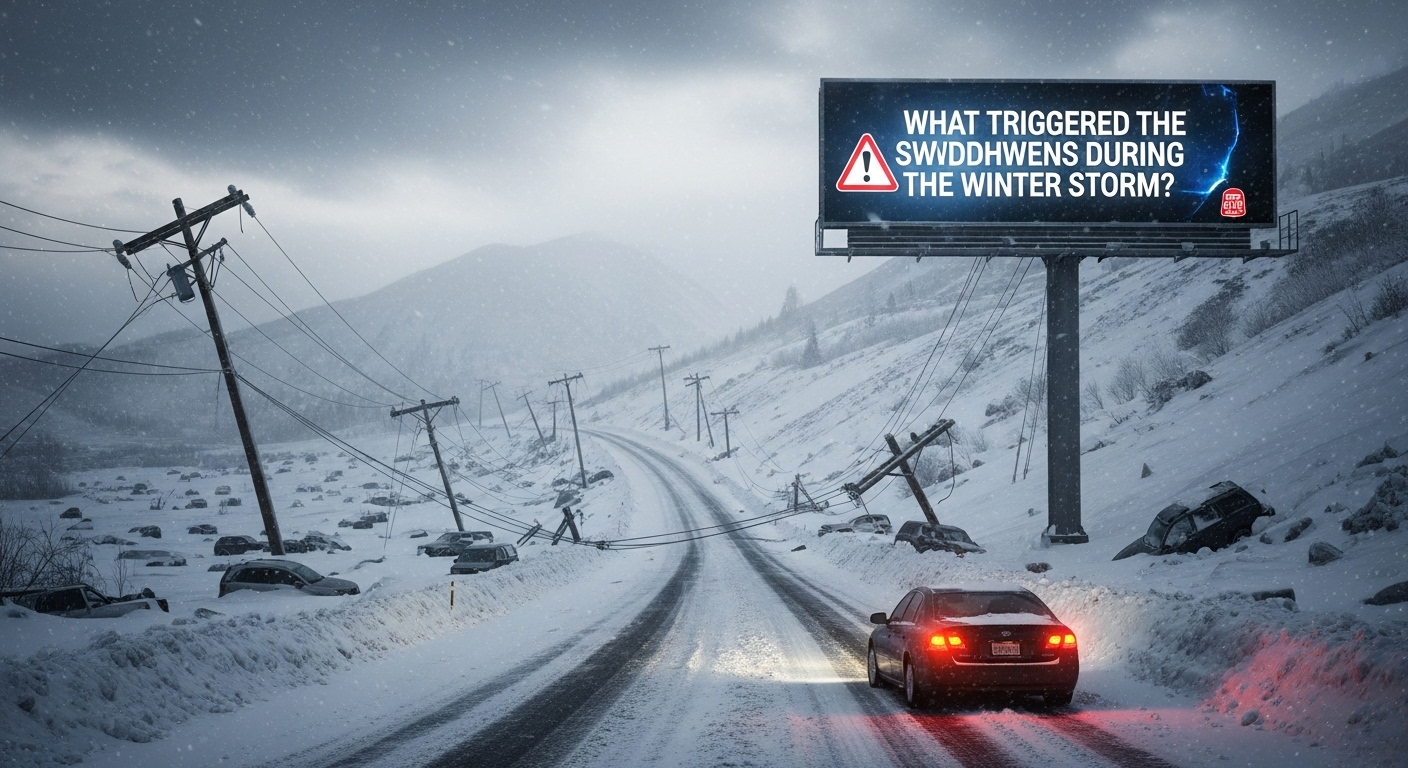
During this storm, multiple reports noted that Bitcoin miners slowed operations to reduce electricity use as grid stress spread, and that the network’s computing power dipped as rigs went offline. The direct trigger for many facilities isn’t always a single government order; it can be a blend of price signals and formal coordination programs. If wholesale power prices surge beyond a miner’s break-even threshold, the rational move is to shut down. If grid operators request load reduction, miners that participate in curtailment programs can respond quickly, sometimes within seconds or minutes.
Why winter storms hit mining harder than many industries
Unlike many factories, Bitcoin miners can be extremely flexible. That sounds like a strength—and it is—but it also means they’re among the first industrial loads to react to an emergency, because their “production line” is software-driven and their output is instantly measurable. When the grid tightens, Bitcoin miners can curtail without the long restart cycles that industrial furnaces or chemical processes might require.
At the same time, mining facilities tend to be concentrated where power is competitive. In the U.S., that often means markets like Texas, where grid dynamics can shift quickly during weather extremes. So when a winter storm pushes the grid into a high-alert posture, Bitcoin miners can find themselves directly in the spotlight.
Why Bitcoin miners power down: economics, grid stability, and incentives
When people hear that Bitcoin miners shut down during a storm, it can sound like panic. In reality, it’s usually a calculated response driven by three overlapping factors: economics, grid support mechanisms, and contractual incentives.From an economic standpoint, mining profitability depends heavily on electricity prices. If prices spike sharply during a storm, a miner’s cost to produce a bitcoin (or fractions of one) can jump beyond the value of the rewards they’re earning. In those moments, it’s often smarter for Bitcoin miners to power down and wait for conditions to stabilize rather than mine at a loss.
From a grid perspective, large flexible loads can function as a form of shock absorber. If Bitcoin miners are enrolled in demand response or similar programs, curtailment can help free up power for households and critical services during peak strain. Coverage around this storm described miners curbing electricity use to help ease pressure on the grid.
From an incentive perspective, some miners may receive compensation for curtailing in specific programs or markets, depending on local rules and their agreements. This is where the debate heats up: critics argue it can look like miners get paid both ways, while supporters say the compensation reflects a real grid service—rapidly reducible demand—similar to other flexibility tools.
The role of demand response and fast curtailment
A key reason Bitcoin miners stand out is their speed. In traditional energy planning, adding supply often takes years. Demand flexibility, by contrast, can appear instantly. Bitcoin miners can throttle down load shedding-style reductions quickly, and then ramp back up when power is abundant.
That flexibility becomes especially relevant during winter storms, when grid operators are trying to prevent cascading failures. Even if the storm doesn’t cause widespread outages, the grid often runs closer to its limits, and small changes in large loads can matter.
Break-even mining costs and power price spikes
Even outside formal programs, price alone can force curtailment. If a mining site is exposed to wholesale pricing or has variable-rate contracts, a storm can turn electricity from a manageable operating cost into a financial hazard. In those cases, Bitcoin miners don’t need to be asked to shut down—they’ll do it automatically to protect margins and preserve capital.
Where curtailments tend to happen in the U.S.
Not all regions experience storm-driven shutdowns the same way. The U.S. mining map is shaped by energy markets, regulations, and infrastructure, and that influences where Bitcoin miners are most likely to curtail.
Texas often receives the most attention because of its distinctive grid structure and large mining footprint. But winter storms can strain multiple regions, and miners operating in different markets may face different triggers—some driven by price spikes, others by reliability events, and others by local utility requests.Coverage tied to this storm described a broad sweep of cold affecting power grids across several areas, with miners responding by slowing or powering down.
Texas and ERCOT: why it’s frequently at the center of the story
Texas’s grid operator, ERCOT, is frequently referenced in mining-and-weather discussions because Texas hosts significant industrial load growth, including mining and large data centers. During extreme weather, Texas can see intense pricing and reliability concerns, which encourages rapid curtailment among flexible loads.
Texas also continues to evolve its policy framework around large energy users. Reporting has highlighted new rules aimed at ensuring big loads can curtail or shift to backup power during emergencies. That matters because as more Bitcoin miners and AI-oriented data centers connect, the state’s tolerance for unmanaged demand shrinks.
Other grids and markets: not one-size-fits-all
Outside Texas, Bitcoin miners may operate under different market rules, utility structures, or hedging approaches. Some miners secure longer-term fixed-price power; others rely on mixed contracts; still others may colocate behind-the-meter generation. These choices affect whether they must power down during a storm or can keep mining through it.Even if the storm’s worst effects are regional, the Bitcoin network is global. When enough U.S. capacity curtails at once, the network’s total computing power can fall noticeably, even if miners elsewhere remain steady.
What happens to Bitcoin’s network when miners go offline?
When large numbers of Bitcoin miners power down, the first network-level impact is usually a drop in total hashrate. Hashrate is essentially the combined computing power securing the network and competing to add blocks. If hashrate dips quickly, blocks can take longer to produce until the network adjusts.
Reports around this storm pointed to a significant portion of computing power going offline temporarily, with block production slowing during the peak disruption window. This doesn’t “break” Bitcoin, but it can affect user experience: transactions may confirm more slowly, and fee dynamics can shift if demand remains steady while block cadence slows.
Slower blocks, temporary congestion, and the difficulty adjustment
Bitcoin has a built-in self-correcting mechanism called the difficulty adjustment. Roughly every two weeks (based on block counts), the network recalibrates mining difficulty so that blocks return to the target pace, even if hashrate has changed.
During a short storm window, difficulty won’t adjust immediately. That means the system absorbs the shock through slower block production. If the storm-driven curtailment is brief, things usually normalize as Bitcoin miners ramp back up. If curtailment persists, the next difficulty adjustment can partially offset the slower pace.
Does powering down reduce security?
In a strict technical sense, lower hashrate can reduce the cost to attack the network. But context matters. A temporary dip caused by weather curtailment is different from a structural decline caused by mass exit from mining. During this storm, the shift was reported as brief and tied to grid conditions, not a long-term collapse in mining participation.For everyday holders and users, the practical takeaway is usually about timing and fees rather than existential security risk.
How winter storm shutdowns affect mining businesses
For mining companies, powering down is both a defensive move and a strategic lever. The defensive side is straightforward: avoid mining at a loss, protect equipment from unstable conditions, and reduce operational risk. The strategic side is more nuanced: if a miner is compensated for curtailment, or if curtailment preserves long-term relationships with utilities and regulators, shutting down can actually support the business. 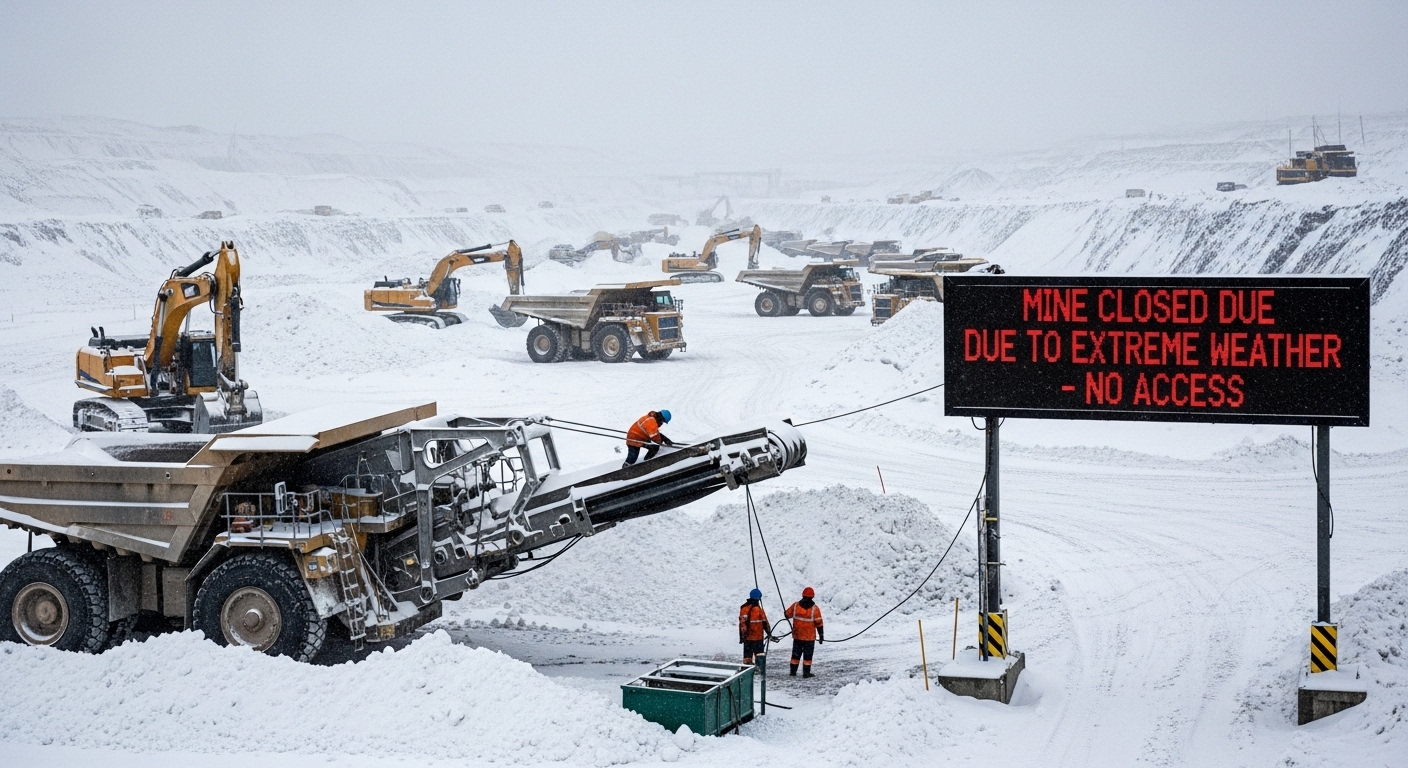
During storm events, Bitcoin miners also get a real-world stress test of their operational sophistication. The best-run sites can throttle smoothly, manage thermal and electrical transitions safely, and restart without chaos. Poorly managed sites can face downtime that lasts longer than the storm itself, turning a temporary pause into a costly outage.
Revenue trade-offs: mining rewards vs. power costs
When Bitcoin miners turn off rigs, they give up immediate revenue from block rewards and transaction fees. But if electricity prices are spiking, that “lost” revenue may be smaller than the losses avoided by not buying high-cost power.This is why storm curtailment can be a rational profit-maximizing choice rather than a forced retreat. In many markets, the question isn’t “Can we mine?” but “Should we mine at this power price right now?”
Contract structures and hedging strategies
Some Bitcoin miners insulate themselves with fixed-price power contracts, financial hedges, or a diversified fleet spread across multiple regions. Others embrace merchant exposure, betting that low prices most of the year outweigh occasional spikes. Winter storms punish the second strategy more harshly, but they also reinforce why flexibility is valuable.In practice, many Bitcoin miners aim for a hybrid model: stable baseload economics with the ability to curtail quickly when conditions turn against them.
The policy spotlight: storms, grid reliability, and regulation
Every major storm tends to reignite the same debate: should large flexible loads like Bitcoin miners be encouraged as grid partners, or restricted as reliability threats? Policymakers and grid operators often want two things at once—investment and stability—and storms force trade-offs into the open.
In Texas, for example, reporting has described laws that empower the grid operator to require certain large loads to curtail or switch to backup power in emergencies, reflecting a push to put reliability first during tight conditions. While these kinds of rules aren’t exclusively about Bitcoin miners, mining is often the headline example because it’s visible, energy-intensive, and politically contentious.
Why regulators care about “controllable load”
From a grid-management standpoint, controllable load is valuable, but it must be dependable. Regulators worry about scenarios where large new users connect rapidly, increasing baseline demand, but fail to curtail reliably when the grid is stressed.
Supporters argue that Bitcoin miners are among the most controllable loads available, because they can respond quickly and operate as flexible demand. Critics argue that rapid growth in industrial load can still strain planning and infrastructure, even if some of it is theoretically curtail-able.
Public perception and the “paid to shut down” controversy
The most emotionally charged version of this debate appears when people believe Bitcoin miners are being rewarded for consuming electricity most of the time and then paid again to stop during emergencies. Whether that framing is fair depends on program design and transparency, but the perception alone can influence policy.Winter storms intensify that scrutiny because the public is already anxious about outages, heating, and safety. In those moments, the distinction between “flexible grid resource” and “unnecessary load” becomes political fast.
The bigger trend: Bitcoin mining as part of the energy system
Storm curtailments highlight a deeper reality: Bitcoin miners increasingly behave like energy market participants, not just tech operators. They respond to price signals, enroll in grid programs, and sometimes colocate with generation assets.
This matters for the U.S. mining story because energy strategy can be a competitive edge. As more industrial demand arrives—especially from AI and high-density compute—flexibility may become more valuable. In some scenarios, the grid may actively prefer flexible loads that can ramp down during emergencies, rather than rigid loads that cannot move.
At the same time, winter storms are reminders that reliability events aren’t theoretical. Extreme weather is a recurring stressor, and every cycle creates new data points that regulators, utilities, and investors will use to judge whether Bitcoin miners are net helpful or net risky.
Renewables, curtailment, and “soaking up excess power”
Many mining advocates argue that Bitcoin miners can help monetize surplus wind and solar generation, especially when transmission constraints limit delivery to demand centers. In that framing, miners act like a buyer of last resort, improving project economics and encouraging buildout.
Winter storm curtailments are the flip side of that idea: when the grid needs power elsewhere, Bitcoin miners step back. The credibility of this model depends on how consistently miners can do both—consume when power is abundant and curtail when power is scarce.
What winter storms teach miners about resilience
For operators, storms are operational exams. They reveal whether a site has robust communications with grid operators, whether firmware and controls can handle rapid throttling, whether staffing plans work under hazardous travel conditions, and whether redundancy exists for critical systems.In the long run, the mining industry’s ability to prove reliability and responsiveness during extreme weather may shape how easily it can expand in the U.S.
Conclusion
The winter storm response shows how tightly Bitcoin miners are now woven into America’s energy reality. When the weather turns severe and grids tighten, Bitcoin miners often power down not because the industry is fragile, but because it is flexible—able to react quickly to price spikes, protect profitability, and support grid stability through rapid curtailment. This storm-driven slowdown has been linked to brief reductions in hashrate and temporary changes in network performance, underscoring that mining is both a financial system and an infrastructure workload.
Going forward, the most important question isn’t whether Bitcoin miners will curtail during the next storm—they likely will. The question is whether the industry can consistently demonstrate “good grid citizenship” at scale, while policymakers shape rules that balance growth, reliability, and public trust. If miners can prove they’re a controllable, cooperative load during emergencies, winter storms may become less of a reputational risk and more of a showcase for why flexible computing belongs in modern energy markets.
FAQs
Q: Why do Bitcoin miners shut down during winter storms?
Bitcoin miners shut down because electricity demand spikes, supply can tighten, and power prices can surge. Curtailing can protect profitability and reduce stress on the grid during emergency conditions.
Q: Does a mining shutdown make Bitcoin unsafe?
A short-term hashrate dip can slightly reduce the network’s security margin, but storm-related curtailments are typically temporary. Reports around this storm described brief disruptions rather than structural declines.
Q: Will Bitcoin transactions get slower when miners power down?
They can. If enough Bitcoin miners go offline, blocks may take longer to produce until conditions normalize, which can slow confirmations and affect fees during the disruption window.
Q: Do miners get paid to turn off their machines?
Sometimes. In certain markets and programs, large flexible loads can earn compensation for verified curtailment. The details vary by region, grid rules, and contract terms.
Q: Where in the U.S. is storm-related curtailment most common?
It’s often highlighted in Texas due to ERCOT, mining concentration, and fast-moving grid dynamics, but winter storms can drive curtailment in other regions too depending on power market conditions and local grid requests.
Also More: Bitcoin mining company Cango hits 7,758 BTC