Blockchain Technology Protection: Applications Along Mexican and U.S. Border: Part II
Explore how blockchain technology protection is transforming security, trade, and data integrity along the U.S.–Mexico border in Part II of this in-depth analysis.


In recent years, blockchain technology protection has evolved from a niche concept associated primarily with cryptocurrencies a powerful infrastructure capable of reshaping border security, trade facilitation, migration management, and cross-border data sharing. In Part I, we explored the foundational role of blockchain in enhancing transparency, trust, and operational efficiency along the Mexican and U.S. border. In this second part, the focus deepens on real-world applications, advanced use cases, and future-forward strategies that demonstrate how blockchain-based systems are becoming indispensable to one of the world’s busiest and most complex border regions.
The U.S.–Mexico border handles trillions of dollars in trade annually, processes millions of travelers, and faces persistent challenges related to smuggling, document fraud, human trafficking, and data fragmentation among agencies. Traditional centralized systems often struggle with interoperability, cybersecurity vulnerabilities, and delays caused by manual verification. Distributed ledger technology, when applied strategically, offers a decentralized yet highly secure framework that can protect sensitive information while enabling seamless collaboration between governments, private enterprises, and international organizations.
This article examines how blockchain technology protection is being applied across customs operations, supply chain monitoring, digital identity verification, law enforcement coordination, and humanitarian efforts. It also analyzes regulatory considerations, technological limitations, and the long-term implications for border governance. By understanding these applications in depth, policymakers, businesses, and citizens can better appreciate how blockchain is redefining border protection in a digital age.
The Strategic Importance of Blockchain at the U.S.–Mexico Border
Why the Border Requires Advanced Digital Protection
The U.S.–Mexico border is not just a physical boundary; it is a dynamic economic and social corridor. Thousands of trucks cross daily carrying automotive parts, agricultural products, electronics, and medical supplies. Any disruption caused by inefficiencies, fraud, or cyberattacks can ripple through North American supply chains. Blockchain security solutions address these vulnerabilities by creating immutable records that cannot be altered without consensus.
Unlike traditional databases, blockchain systems distribute data across multiple nodes, reducing single points of failure. This architecture is particularly valuable in border environments where multiple stakeholders—customs agencies, logistics companies, port authorities, and immigration services—must access and verify shared information in real time. Blockchain-based protection mechanisms ensure that data integrity is preserved while access controls maintain confidentiality.
Enhancing Trust Between Cross-Border Stakeholders
Trust is a recurring challenge in cross-border operations. Differing regulations, enforcement standards, and data systems can create friction between Mexican and U.S. authorities. Smart contracts, a core component of blockchain technology protection, allow predefined rules to be executed automatically once conditions are met. This reduces disputes, minimizes human error, and fosters institutional trust.
For example, when a shipment meets all regulatory requirements on both sides of the border, a smart contract can automatically trigger clearance, reducing delays and opportunities for corruption. This type of trustless verification system is particularly effective in high-volume trade corridors.
Blockchain Applications in Customs and Trade Facilitation
Securing Customs Documentation with Distributed Ledgers
Customs documentation has historically been vulnerable to forgery, duplication, and loss. Paper-based systems and siloed digital platforms create opportunities for fraud and inefficiency. By applying blockchain technology protection to customs records, authorities can create a single, tamper-proof source of truth accessible to authorized parties on both sides of the border.
Each document, from certificates of origin to inspection reports, can be recorded as a cryptographic hash on the blockchain. This ensures authenticity while allowing rapid verification. Blockchain-enabled customs systems reduce clearance times, lower administrative costs, and enhance compliance with trade agreements such as the USMCA.
Streamlining Cross-Border Supply Chains
Supply chain transparency is critical for industries that rely on just-in-time delivery. Blockchain allows every stage of a product’s journey—from manufacturing in Mexico to retail distribution in the United States—to be recorded securely. This level of visibility supports anti-counterfeiting measures, improves inventory management, and enhances consumer trust.
For border authorities, blockchain-based supply chain data provides real-time insights into cargo movement, helping identify anomalies that may indicate smuggling or mislabeling. Supply chain blockchain protection thus serves both economic and security objectives simultaneously.
Digital Identity and Migration Management
Blockchain-Based Digital Identity Systems
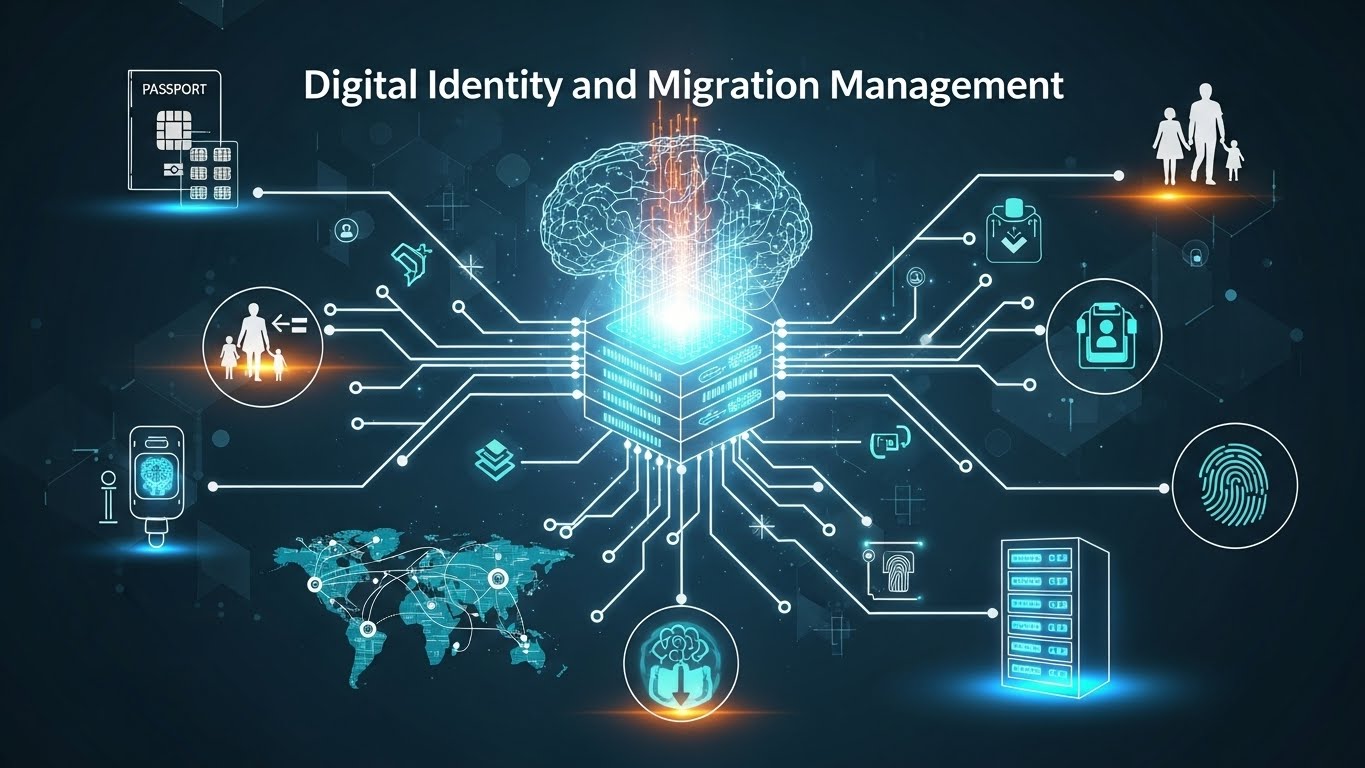
One of the most promising applications of blockchain technology protection at the border is digital identity management. Migrants, asylum seekers, and frequent cross-border workers often lack consistent documentation, making identity verification difficult. Blockchain-based digital identities allow individuals to control verified credentials without relying on a single central authority.
These identities can store biometric data, travel history, and legal status in an encrypted format. Border officials can verify credentials instantly while respecting privacy regulations. Decentralized identity solutions reduce identity fraud and speed up processing, benefiting both migrants and authorities.
Protecting Human Rights Through Data Integrity
Data mishandling can have severe consequences for vulnerable populations. Blockchain’s immutability ensures that records related to asylum applications or humanitarian aid distribution cannot be altered retroactively. This creates accountability and transparency in systems that have historically faced criticism for opacity.
By integrating blockchain data protection frameworks, humanitarian organizations working along the border can coordinate more effectively with government agencies, ensuring aid reaches those who need it most while preventing duplication or misuse of resources.
Law Enforcement and Border Security Applications
Enhancing Intelligence Sharing Across Agencies
Effective border security depends on timely and accurate intelligence sharing. However, fragmented databases and jurisdictional barriers often limit collaboration. Blockchain enables secure data sharing through permissioned networks where each participant controls access rights.
With blockchain-secured intelligence platforms, U.S. and Mexican law enforcement agencies can share verified information on trafficking networks, stolen vehicles, or fraudulent documents without compromising sensitive sources. This improves response times and operational coordination.
Combating Smuggling and Organized Crime
Smuggling operations rely on exploiting weaknesses in border systems. Blockchain’s transparency makes it harder to manipulate records or conceal illicit activities. When integrated with IoT devices such as GPS trackers and sensors, blockchain can provide end-to-end visibility of cargo movements.
This convergence of technologies strengthens border protection blockchain solutions, making it easier to detect route deviations, tampering, or unauthorized access. Over time, these systems can significantly disrupt organized crime networks operating across the border.
Regulatory and Legal Considerations
Navigating Cross-Border Legal Frameworks
Implementing blockchain technology protection at the border requires alignment with legal and regulatory frameworks in both countries. Data sovereignty, privacy laws, and evidentiary standards must be addressed to ensure blockchain records are legally admissible and compliant.
Mexico and the United States have different approaches to data protection and digital governance. Harmonizing these frameworks is essential for scalable blockchain adoption. Bilateral agreements and pilot programs play a critical role in testing solutions before full deployment.
Ensuring Privacy and Ethical Use
While blockchain enhances security, it also raises concerns about surveillance and data misuse. Ethical implementation requires strict access controls, anonymization techniques, and compliance with human rights standards. Privacy-preserving blockchain technologies, such as zero-knowledge proofs, offer ways to verify information without revealing sensitive details. Balancing security with civil liberties is a defining challenge for border authorities adopting blockchain-based systems. Transparent governance models and public oversight are essential to maintain trust.
Economic and Social Impacts of Blockchain Adoption
Boosting Trade Competitiveness
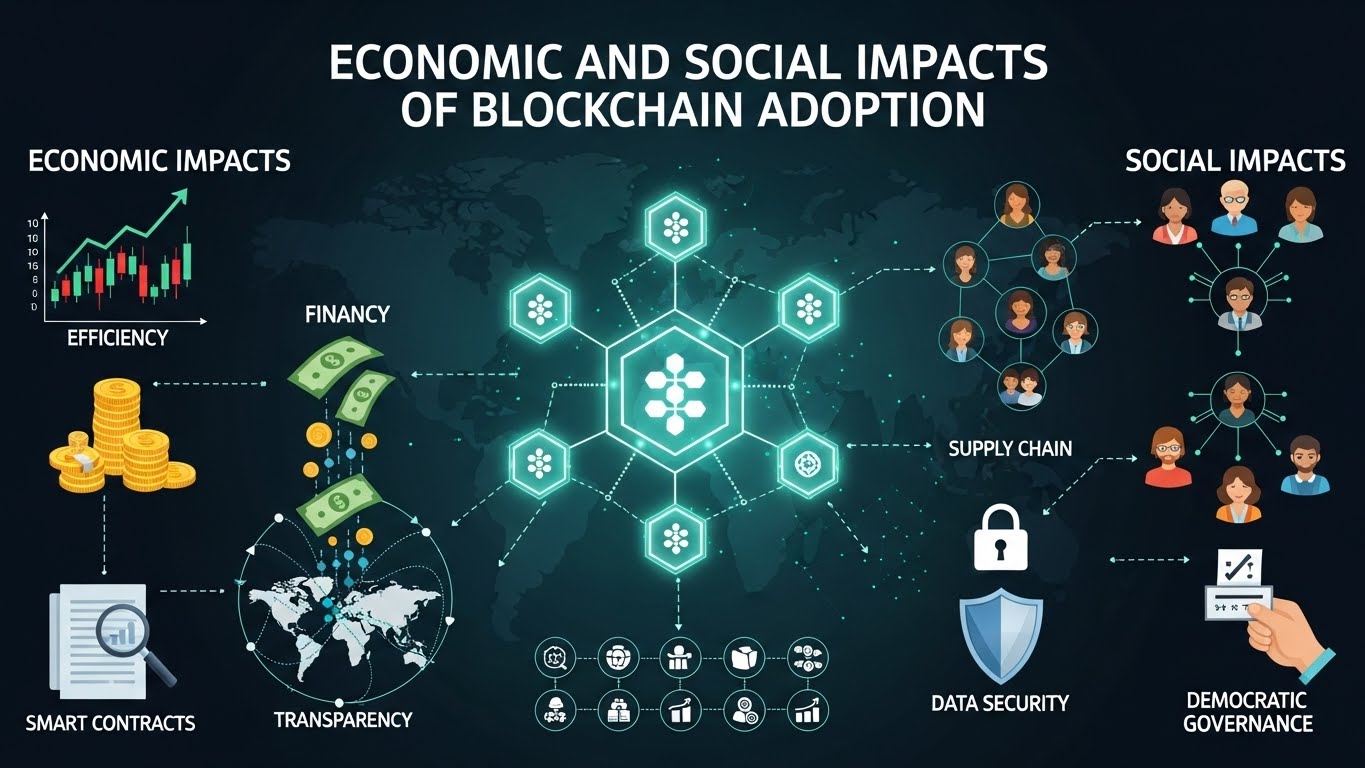
Efficient border processes enhance regional competitiveness. By reducing delays and administrative burdens, blockchain technology protection lowers transaction costs for businesses engaged in cross-border trade. Small and medium-sized enterprises, in particular, benefit from simplified compliance procedures.
Over time, these efficiencies can attract investment, create jobs, and strengthen economic ties between Mexico and the United States. Blockchain thus becomes not just a security tool but a catalyst for inclusive growth.
Empowering Border Communities
Border communities often experience the direct effects of policy changes. Blockchain-based platforms can support local development initiatives by improving access to financial services, verifying land ownership, and facilitating cross-border commerce for small traders. These blockchain-driven empowerment models demonstrate that technology protection strategies can have positive social outcomes when designed with community needs in mind.
Challenges and Limitations of Blockchain at the Border
Technical and Infrastructure Barriers
Despite its potential, blockchain adoption faces technical challenges, including scalability, interoperability, and energy consumption. Border operations require systems capable of handling high transaction volumes with minimal latency. Advances in layer-two solutions and energy-efficient consensus mechanisms are addressing these concerns, but implementation remains complex. Infrastructure disparities between regions can also hinder deployment. Investments in digital infrastructure and capacity building are necessary to ensure equitable adoption.
Institutional Resistance and Change Management
Introducing blockchain technology protection requires cultural and organizational change. Resistance may arise from concerns about job displacement, loss of control, or unfamiliarity with decentralized systems. Comprehensive training programs and stakeholder engagement are essential to overcome these barriers. Successful pilot projects along the U.S.–Mexico border demonstrate that gradual integration, rather than abrupt transformation, yields better results.
The Future of Blockchain Technology Protection at the Border
Integration with Emerging Technologies
The future of border protection lies in the integration of blockchain with artificial intelligence, biometrics, and the Internet of Things. AI can analyze blockchain data to identify patterns and predict risks, while IoT devices provide real-time inputs that enhance situational awareness. This multi-layered security ecosystem represents the next evolution of border management, where technology protection is proactive rather than reactive.
Toward a Smarter and More Secure Border
As geopolitical and economic dynamics evolve, the U.S.–Mexico border will continue to face new challenges. Blockchain technology protection offers a flexible and resilient framework capable of adapting to these changes. By fostering collaboration, enhancing transparency, and safeguarding data, blockchain can help build a smarter, more secure, and more humane border system.
Conclusion
Blockchain technology protection is no longer a theoretical concept but a practical solution addressing some of the most pressing challenges along the Mexican and U.S. border. From securing customs documentation and streamlining trade to protecting migrant identities and enhancing law enforcement coordination, blockchain’s applications are both diverse and transformative. While challenges related to regulation, infrastructure, and change management remain, the long-term benefits far outweigh the obstacles.
As governments, businesses, and communities continue to explore blockchain-based solutions, the border stands to become a model for how advanced digital technologies can enhance security, efficiency, and trust. Part II of this exploration underscores that blockchain is not just protecting systems but reshaping the future of cross-border cooperation.
FAQs
Q: What is blockchain technology protection in the context of border security?
Blockchain technology protection refers to the use of decentralized, tamper-proof digital ledgers to secure data, verify identities, and enhance transparency in border operations.
Q: How does blockchain improve U.S.–Mexico trade efficiency?
By digitizing and securing customs documents, blockchain reduces clearance times, minimizes fraud, and streamlines supply chain processes across the border.
Q: Can blockchain protect migrant and asylum seeker data?
Yes, blockchain-based digital identity systems encrypt and secure personal data, allowing controlled access while preserving privacy and data integrity.
Q: Are blockchain records legally recognized at the border?
Legal recognition depends on regulatory frameworks in both countries. Pilot programs and bilateral agreements are helping establish standards for admissibility.
Q: What is the future outlook for blockchain at the U.S.–Mexico border?
The future involves deeper integration with AI, IoT, and biometric technologies, creating a smarter, more secure, and more efficient border ecosystem.