El Salvador Bitcoin Conviction Costs $300M
El Salvador Bitcoin conviction now carries a $300 million price tag, raising questions about risk, reform, and the future of Bitcoin adoption.

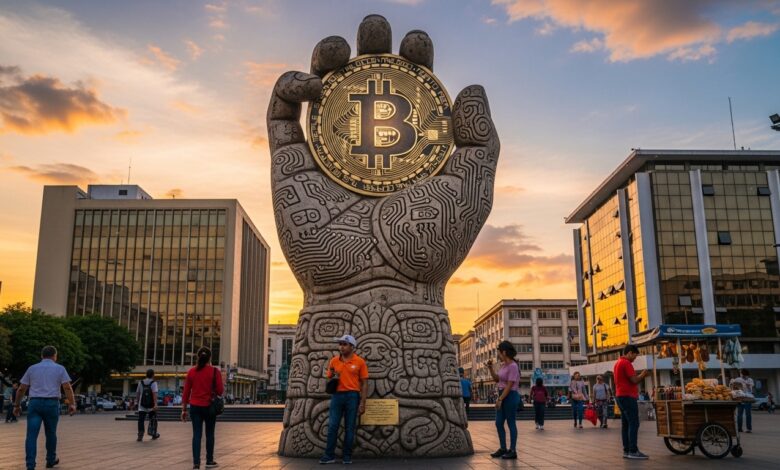
When El Salvador made El Salvador Bitcoin Conviction Bitcoin legal tender in 2021, it sent shockwaves through the global financial system. The bold decision, championed by President Nayib Bukele, positioned the small Central American nation as the first country in the world to adopt Bitcoin as an official currency alongside the U.S. dollar. At the time, supporters called it visionary. Critics labeled it reckless. Today, that Bitcoin conviction carries what many analysts describe as a $300 million price tag, underscoring both the risks and the long-term ambitions of the experiment.
The figure represents more than a floating portfolio loss. It encapsulates market volatility, infrastructure spending, unrealized gains, opportunity costs, and the broader economic implications of tying national policy to a decentralized digital asset. As global markets continue to digest the implications of sovereign crypto adoption, El Salvador’s Bitcoin conviction has become a case study in economic sovereignty, fiscal risk management, and financial innovation. This article examines how El Salvador arrived at this $300 million crossroads, what it means for the country’s economy, and whether the gamble could still pay off in the long term.
The Origins of El Salvador’s Bitcoin Conviction
A Historic Legal Tender Law
In June 2021, El Salvador’s Legislative Assembly passed the Bitcoin Law, officially recognizing Bitcoin as legal tender. The decision meant that businesses were required to accept Bitcoin as payment when offered by consumers, and taxes could be paid using the cryptocurrency. The government simultaneously launched the Chivo Wallet, a state-backed digital wallet designed to facilitate transactions.
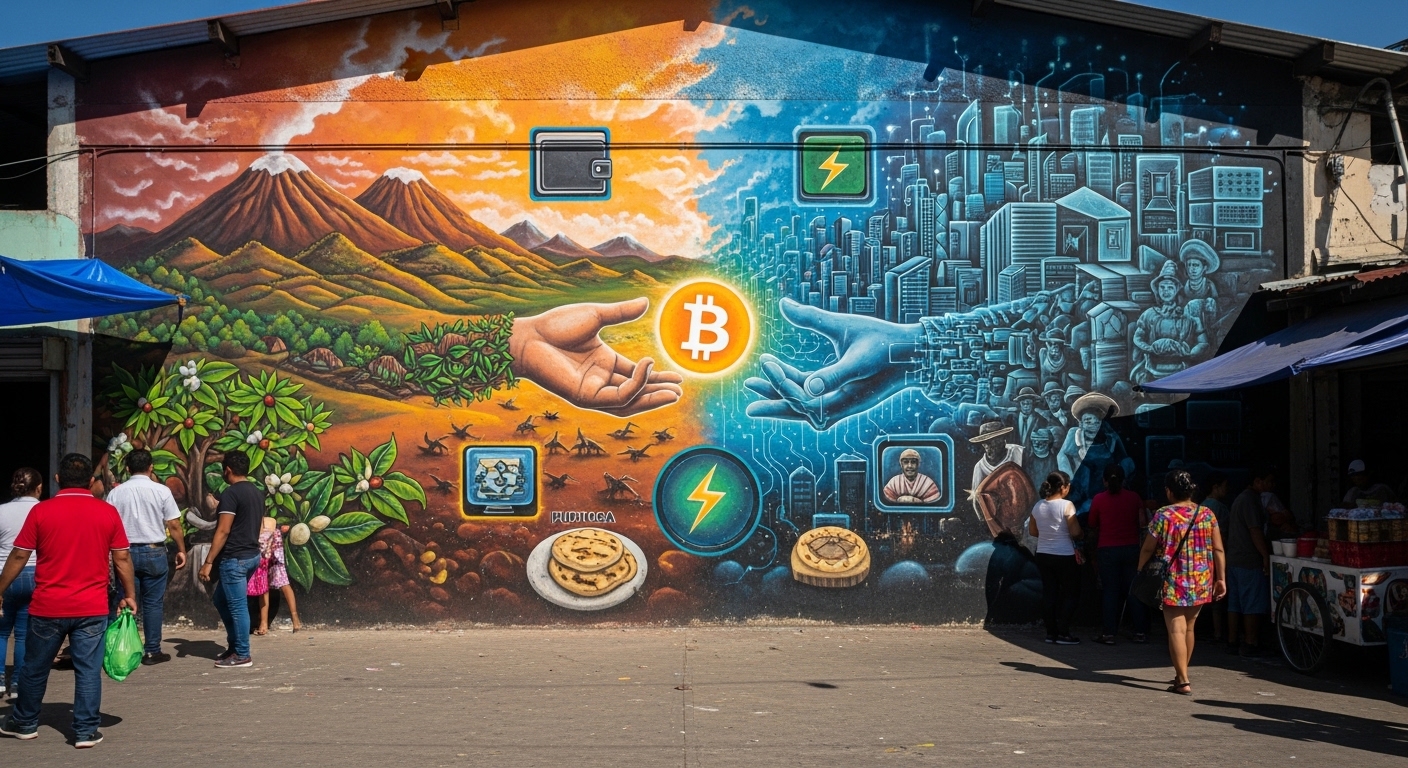
This move marked the first time a sovereign nation integrated Bitcoin directly into its monetary framework. The rationale was multi-layered. Nearly 70% of Salvadorans were unbanked, remittances accounted for roughly 20% of GDP, and the country had limited control over its monetary policy due to dollarization. By adopting Bitcoin, El Salvador sought to improve financial inclusion, reduce remittance costs, and enhance economic independence.
Strategic Positioning in the Global Crypto Landscape
President Nayib Bukele framed the policy as a step toward modernization. By embracing Bitcoin, El Salvador aimed to attract foreign direct investment, crypto entrepreneurs, and blockchain infrastructure projects. The concept of “Bitcoin City,” financed through proposed Bitcoin bonds, reinforced this image of innovation.
However, from the outset, international institutions expressed skepticism. Concerns centered around financial stability, regulatory uncertainty, and potential exposure to market volatility. These concerns now frame the discussion around the $300 million price tag associated with El Salvador’s Bitcoin conviction.
Understanding the $300 Million Price Tag
Market Volatility and Treasury Exposure
Bitcoin’s price trajectory since 2021 has been anything but stable. After reaching an all-time high near $69,000 in late 2021, the asset experienced severe corrections throughout 2022 and beyond. El Salvador continued accumulating Bitcoin during price dips, adhering to a “buy the dip” philosophy.
The reported $300 million price tag largely reflects unrealized losses during bearish market cycles combined with the cost basis of the government’s Bitcoin purchases. While Bitcoin has seen partial recoveries in subsequent years, price fluctuations directly affect the valuation of the country’s holdings.
Unlike private investors, a sovereign government faces unique scrutiny. Treasury exposure to volatile digital assets can impact credit ratings, borrowing costs, and investor confidence. The $300 million figure, therefore, represents not just portfolio performance but also reputational and macroeconomic risk.
Infrastructure and Implementation Costs
The financial impact extends beyond Bitcoin purchases. El Salvador invested heavily in infrastructure to support Bitcoin adoption. This includes:
-
Development and maintenance of the Chivo Wallet
-
Installation of Bitcoin ATMs nationwide
-
Cybersecurity measures
-
Public education campaigns
These implementation costs contribute to the broader financial burden associated with El Salvador’s Bitcoin conviction. Critics argue that these funds could have been allocated toward healthcare, education, or debt reduction. Supporters counter that infrastructure investments are foundational for long-term digital transformation.
The IMF, Global Institutions, and Economic Pressure
Tensions With the International Monetary Fund
El Salvador’s Bitcoin policy created friction with the International Monetary Fund. The IMF repeatedly urged the country to reconsider Bitcoin’s legal tender status, citing financial stability concerns and risks related to anti-money laundering compliance.
Negotiations over financial assistance packages were reportedly complicated by the Bitcoin policy. For a developing economy with significant external debt obligations, strained relations with international lenders amplify the consequences of its crypto strategy. The $300 million narrative is often referenced within this context, portraying the Bitcoin conviction as a costly experiment that may have limited access to traditional financing.
Credit Ratings and Investor Sentiment
Credit rating agencies closely monitor sovereign risk profiles. El Salvador’s Bitcoin exposure has been factored into assessments of fiscal stability. Although the country has successfully managed debt repayments in recent years, the perception of heightened risk persists.
Investor sentiment plays a critical role in emerging markets. Even if Bitcoin’s long-term value appreciates, short-term volatility can increase borrowing costs. Thus, the $300 million price tag symbolizes not only direct financial exposure but also indirect economic consequences.
The Case for Long-Term Bitcoin Strategy
A Hedge Against Monetary Centralization
Supporters of El Salvador Bitcoin conviction argue that focusing solely on short-term losses misses the bigger picture. Bitcoin was designed as a decentralized monetary network, immune to central bank manipulation and inflationary policy.
For a country without its own sovereign currency, Bitcoin represents a parallel monetary rail. By accumulating Bitcoin reserves, El Salvador effectively diversifies its asset base beyond traditional fiat holdings. If Bitcoin’s long-term trajectory aligns with historical growth cycles, the current $300 million figure may appear marginal in hindsight.
Remittances and Financial Inclusion

Remittances form a significant portion of El Salvador’s GDP. Traditional remittance channels often impose high fees. Bitcoin transactions, when executed efficiently, can reduce these costs. Although adoption among everyday Salvadorans has been mixed, the infrastructure exists for low-cost cross-border payments. Over time, improvements in user experience and regulatory clarity could enhance practical utility. In this sense, the Bitcoin conviction is not merely speculative but also structural, aimed at reshaping the country’s financial ecosystem.
Domestic Adoption: Reality Versus Vision
Public Response and Usage Trends
Despite government incentives, Bitcoin usage among Salvadorans has fluctuated. Surveys indicate that while many citizens downloaded the Chivo Wallet initially to receive promotional bonuses, consistent usage remains limited.
Factors influencing adoption include price volatility, technological literacy barriers, and trust concerns. For small merchants operating on thin margins, accepting a volatile currency presents operational challenges. The government maintains that adoption is gradually stabilizing. However, real-world integration remains a work in progress.
Tourism and Branding Impact
One measurable outcome of El Salvador’s Bitcoin conviction is increased global visibility. The country has positioned itself as a crypto-forward jurisdiction, attracting Bitcoin conferences, digital nomads, and blockchain entrepreneurs.
Tourism reportedly experienced growth following the Bitcoin announcement, partly due to international curiosity. While not solely attributable to Bitcoin, the branding effect cannot be dismissed. The $300 million price tag, therefore, should be evaluated alongside these intangible economic benefits.
Bitcoin Bonds and the Vision of Bitcoin City
Financing Through Digital Innovation
El Salvador proposed issuing Bitcoin-backed bonds to finance infrastructure and mining operations powered by geothermal energy from volcanoes. The concept blended sovereign debt issuance with crypto financing mechanisms.
Although the rollout faced delays due to market conditions, the idea reflected the government’s commitment to long-term Bitcoin integration. If successful, such instruments could diversify funding sources beyond traditional multilateral institutions.
Energy Strategy and Mining
Bitcoin mining powered by renewable geothermal energy aligns with sustainability narratives. El Salvador’s volcanic resources provide a unique opportunity to position itself as a green mining hub. If mining revenues scale meaningfully, they could offset portions of the $300 million cost. However, profitability depends on global hash rate competition and Bitcoin price performance.
Risk Management and Fiscal Responsibility
Portfolio Allocation Debate
A central question remains: how much Bitcoin exposure is appropriate for a sovereign nation? Financial risk management principles emphasize diversification and capital preservation. While El Salvador’s total Bitcoin holdings represent a fraction of national GDP, the symbolic weight is substantial. Critics argue that exposure to a volatile asset class should be limited. Proponents contend that early adoption provides asymmetric upside potential. The $300 million price tag highlights the tension between innovation and prudence.
Transparency and Accountability
Greater transparency around purchase timing, custody practices, and reporting standards could strengthen confidence. Clear communication regarding strategy, risk tolerance, and contingency planning is essential for maintaining domestic and international trust. As global regulatory frameworks evolve, El Salvador’s approach may either validate its early conviction or serve as a cautionary tale.
Global Implications of El Salvador’s Bitcoin Experiment
A Blueprint or a Warning?
El Salvador’s Bitcoin conviction has influenced policy debates worldwide. Countries facing inflation, currency devaluation, or limited banking access observe the experiment closely. Some governments explore central bank digital currencies rather than decentralized cryptocurrencies. Others remain skeptical of integrating volatile digital assets into national reserves. Whether the $300 million price tag ultimately proves costly or visionary will shape future sovereign crypto policy decisions.
The Broader Crypto Market Signal
Bitcoin’s legitimacy as a macro asset is partly reinforced by sovereign adoption. El Salvador’s participation adds credibility to the narrative of Bitcoin as “digital gold.” However, critics argue that national adoption increases systemic risk if volatility impacts public finances. The global crypto market watches closely as El Salvador navigates this economic experiment.
Conclusion
El Salvador’s Bitcoin conviction now carries a $300 million price tag, but that figure captures only part of the story. It reflects unrealized losses, infrastructure investments, and the broader cost of pioneering monetary reform. Yet it also represents a calculated bet on financial transformation, economic diversification, and long-term digital integration.
History will judge whether the strategy was premature or prescient. If Bitcoin appreciates significantly and adoption matures, today’s losses could transform into strategic gains. If volatility persists without structural benefits, critics will point to the price tag as evidence of misplaced optimism. For now, El Salvador stands at the frontier of sovereign crypto policy—a nation willing to embrace risk in pursuit of innovation.
FAQs
Q: How much Bitcoin does El Salvador currently hold?
El Salvador has accumulated thousands of Bitcoin since 2021, with purchases occurring during both bullish and bearish market cycles. Exact figures fluctuate as the government occasionally adds to its reserves.
Q: Is the $300 million loss realized or unrealized?
Most of the reported $300 million price tag refers to unrealized losses during market downturns. The valuation changes with Bitcoin’s market price.
Q: Why did El Salvador adopt Bitcoin as legal tender?
The government aimed to improve financial inclusion, reduce remittance fees, attract foreign investment, and diversify national reserves.
Q: Has Bitcoin adoption improved El Salvador’s economy?
The results are mixed. Tourism and international visibility increased, but domestic usage remains uneven. Long-term economic impact is still unfolding.
Q: Could other countries follow El Salvador’s example?
Some nations are observing closely, but widespread sovereign adoption of Bitcoin depends on regulatory clarity, market stability, and macroeconomic conditions.
Also More: Bitcoin Slides to $60K Why Crypto Is Getting “Trumped”