MARA Goes AI Mining Giant Expands to Data Centers
MARA expands into AI data centers through a strategic partnership, moving beyond Bitcoin mining into high-growth digital infrastructure.


The digital asset industry is undergoing a structural transformation as traditional cryptocurrency mining companies diversify their operations into advanced technological infrastructure. One of the most notable strategic moves in this evolving MARA Goes AI Mining Giant landscape is the shift toward artificial intelligence computing and large-scale data processing facilities. The development of AI-driven economies has created a new demand for high-performance computing resources, pushing crypto mining companies to rethink their long-term business models.
Marathon Digital Holdings, widely known in the market under the ticker MARA, has taken a significant step in this direction by expanding beyond its core Bitcoin mining operations. The company’s strategic engagement in an AI data center partnership reflects a broader industrial convergence between blockchain infrastructure and artificial intelligence computation.
This transition is not merely a corporate diversification strategy but also a response to changing profitability dynamics in the digital asset mining sector. Rising energy costs, increasing network difficulty, and regulatory uncertainties have pressured mining operators to explore alternative revenue streams. By investing in AI-oriented computing infrastructure, MARA is positioning itself within the next generation of high-demand technology services.
The move marks an important milestone in the evolution of cryptocurrency mining enterprises into hybrid technology infrastructure providers. As artificial intelligence workloads continue to grow globally, the demand for scalable and energy-efficient data processing environments will likely shape the future of the industry.
Strategic Vision Behind MARA’s Expansion Into AI Infrastructure
Transitioning from Pure Mining to Digital Compute Ecosystems
The decision to move beyond Bitcoin mining reflects a fundamental shift in how MARA views its operational identity. Historically, Bitcoin mining companies functioned primarily as proof-of-work validation networks that generated revenue through block rewards and transaction fees.
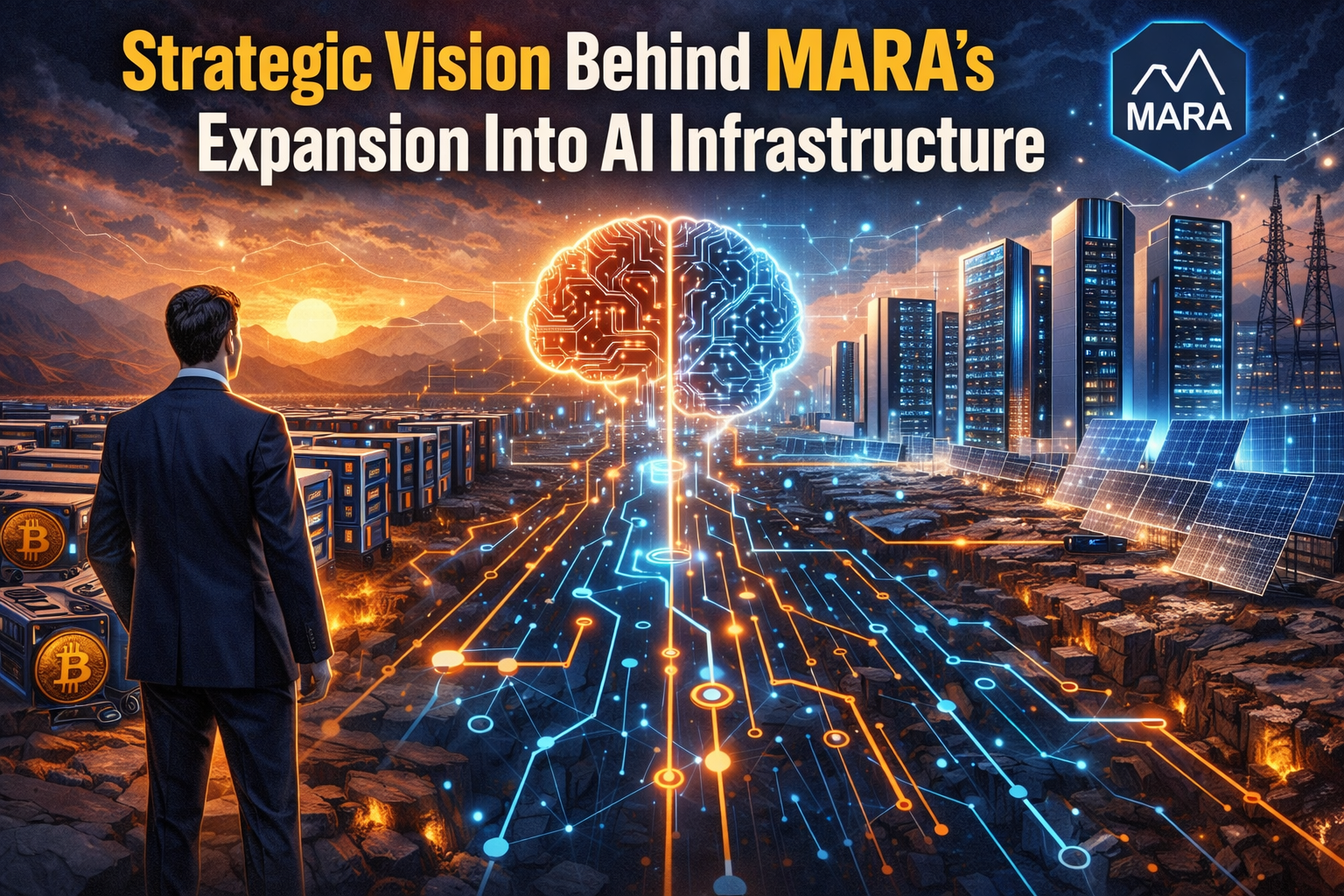
However, modern digital economies require more than blockchain validation. Cloud computing, machine learning model training, and enterprise data analytics all require vast computational resources. By integrating AI data center capabilities, MARA is attempting to transform itself into a broader digital infrastructure provider.
The partnership is expected to leverage existing high-density computing environments that were originally designed for mining hardware deployment. Mining facilities already possess key characteristics required for AI workloads, including advanced cooling systems, high electrical throughput, and distributed processing architecture.This convergence between mining infrastructure and AI computation represents a natural technological evolution rather than a complete business model disruption.
Economic Incentives Driving the Partnership
Financial sustainability remains a critical motivation behind the expansion strategy. Bitcoin mining profitability is highly cyclical and depends on multiple market factors including cryptocurrency price volatility and network competition.
The AI computing market, by contrast, offers more predictable enterprise revenue structures through long-term service contracts. Demand for machine learning training clusters and large-scale inference engines continues to grow across industries such as healthcare, finance, and autonomous systems.By participating in AI data center development, MARA aims to establish recurring revenue channels that reduce exposure to digital asset market fluctuations.
Role of AI Data Centers in Modern Digital Economy
What Makes AI Data Centers Different
AI data centers are specialized computational environments optimized for parallel processing workloads. Unlike traditional cloud servers that handle general business applications, AI clusters are designed for tensor operations, neural network training, and large dataset analysis.
Energy efficiency plays a crucial role in AI facility design. High-performance graphics processing units (GPUs) and tensor processing units (TPUs) consume substantial electricity during intensive model training cycles. Companies operating these facilities must implement advanced power management systems.
The expansion of generative AI technologies has accelerated the need for scalable compute infrastructure. Enterprises are increasingly outsourcing their model training workloads to specialized service providers rather than maintaining internal hardware.
Integration With Existing Mining Facilities
One of the most significant advantages for Marathon Digital Holdings is the ability to repurpose existing mining centers for dual-use computing.Mining hardware deployment sites are typically built around three core engineering requirements:First, thermal management systems are already installed to dissipate heat generated by large mining rigs. AI servers produce comparable thermal loads during high-intensity processing tasks.
Second, power distribution architectures inside mining farms are designed to handle continuous high-load operation. This infrastructure is highly compatible with AI training clusters.Third, geographic distribution of mining operations provides redundancy and latency optimization advantages for distributed computing workloads.
Market Impact of MARA’s Strategic Diversification
Competitive Positioning in Technology Infrastructure
The shift toward AI partnerships positions MARA alongside companies seeking to capture value from digital transformation trends.Traditional Bitcoin mining companies are facing increasing pressure due to halving events that reduce block reward income over time. The next halving cycles could significantly compress mining margins unless Bitcoin price appreciation offsets reward reductions.
By expanding into AI infrastructure services, MARA is effectively building a multi-revenue technology platform.The company’s strategy reflects a broader industry movement where blockchain operators transition into hybrid compute service providers.
Investor Sentiment and Capital Market Response
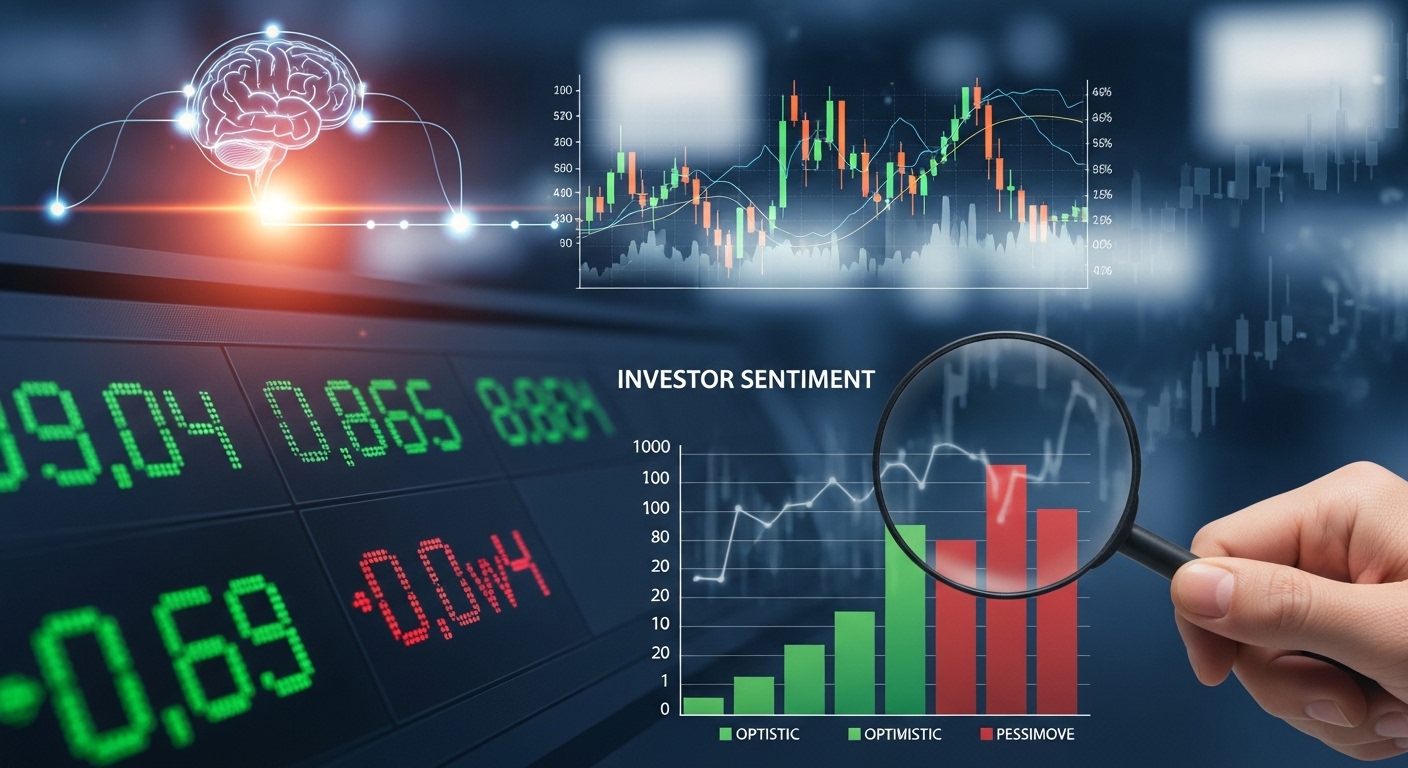
Financial markets have shown growing interest in companies that combine digital asset exposure with artificial intelligence infrastructure.Technology investors increasingly evaluate firms based on long-term computational capacity rather than single-market specialization. The convergence of blockchain and AI has generated optimism among growth-focused investment portfolios.The partnership announcement has been interpreted by analysts as a signal that MARA is preparing for a post-mining economic environment where computational power itself becomes a tradable service.
Technical Advantages of the Partnership Model
High-Density Computing Architecture
Modern AI workloads require dense GPU clustering and fast interconnect networks. Mining data centers already operate high-power electrical grids that can be upgraded to support such architectures.The use of advanced cooling mechanisms is essential for maintaining hardware stability. Liquid cooling and optimized airflow engineering help maintain operational efficiency during continuous processing cycles.
Energy Optimization and Sustainability Considerations
Energy efficiency remains one of the most debated topics in cryptocurrency infrastructure. Large-scale computing operations must balance performance with environmental sustainability.The partnership strategy allows MARA to leverage renewable energy integrations where possible. Some mining facilities are located near energy surplus regions, allowing operators to negotiate favorable electricity pricing.Sustainable computing infrastructure is becoming a competitive advantage in institutional technology markets.
Industry Implications of the Blockchain-AI Convergence
Transformation of Mining Companies
The traditional definition of a mining company is evolving rapidly. Instead of being viewed solely as cryptocurrency validators, modern operators are becoming digital compute utilities.This transformation mirrors historical transitions in other infrastructure sectors. For example, telecommunications firms evolved from voice transmission providers into broadband and cloud service platforms.The same structural progression may occur within blockchain infrastructure businesses.
Future Demand for Computational Power
Global artificial intelligence development is expected to increase demand for high-performance computing by exponential margins.Research institutions, enterprise corporations, and government organizations are investing heavily in machine learning deployment. Training large-scale models requires specialized hardware environments that only a limited number of operators can provide.Companies that establish early presence in AI compute markets may gain long-term technological advantages.
Challenges Facing the Expansion Strategy
Regulatory and Compliance Risks
Operating AI data centers introduces new compliance requirements related to data privacy and cross-border information processing.Governments are increasingly implementing regulations governing artificial intelligence deployment. Infrastructure operators must maintain transparent operational standards.
Capital Investment Requirements
Building and maintaining advanced computing clusters requires substantial capital expenditure.Hardware obsolescence is another risk factor because AI processing technology evolves rapidly. Continuous infrastructure upgrades are necessary to remain competitive.
Market Competition
Major cloud technology providers already dominate enterprise AI computing markets. Entering this space requires differentiation through cost efficiency or specialized services.
Long-Term Outlook for MARA’s Business Model
The strategic transition toward hybrid mining and AI infrastructure could redefine the company’s market identity.If successful, Marathon Digital Holdings may evolve into a digital computation utility rather than a pure cryptocurrency miner.The future business structure may include:Enterprise AI model training services Distributed high-performance cloud computing Blockchain validation networks Energy-optimized data center hosting Such diversification reduces dependence on cryptocurrency market cycles.
Conclusion
The expansion of MARA into AI data center partnerships represents a significant strategic shift in the digital infrastructure industry. As artificial intelligence becomes a core driver of global technological development, companies operating high-performance computing facilities are positioning themselves to capture emerging economic opportunities.
By moving beyond Bitcoin mining, Marathon Digital Holdings is aligning with long-term computational demand trends. The integration of AI infrastructure with existing mining operations provides both operational synergy and financial diversification.
While challenges related to capital investment, regulatory oversight, and market competition remain, the strategic direction reflects a broader transformation in how digital infrastructure companies operate.The convergence of blockchain validation networks and artificial intelligence computing may define the next decade of technological enterprise development.
FAQs
Q: Why is MARA expanding beyond Bitcoin mining?
MARA is diversifying to reduce dependence on cryptocurrency price cycles and create stable revenue streams through AI computing infrastructure.
Q: How do mining data centers support AI workloads?
Mining facilities already have high-power electrical systems, cooling technology, and dense computing environments suitable for AI servers.
Q: Will AI data centers replace Bitcoin mining operations?
No. The strategy is diversification, not replacement. Bitcoin mining remains a core business component.
Q: What industries benefit from AI data center expansion?
Healthcare, finance, autonomous systems, and enterprise analytics are major beneficiaries of large-scale AI computing infrastructure.
Q: Is this partnership expected to increase MARA’s market value?
Market performance depends on execution success, AI service demand, and overall technology sector conditions.
Also More: Bitcoin Mining Stocks Slip as Production Costs Surge in 2025