Solo Bitcoin Miner Turns $75 Into $200K Reward
A solo bitcoin miner shocks the crypto world by turning $75 of rented hashrate into a $200,000 block reward. Here’s how it happened and why it matters.


The cryptocurrency market is no stranger to extraordinary stories, but every so often, an event unfolds that captures the imagination of both seasoned investors and newcomers alike. Recently, a Solo Bitcoin Miner Turns $75managed to achieve what many consider statistically improbable—transforming just $75 worth of rented computational power into a staggering $200,000 block reward.
In a landscape dominated by industrial-scale mining farms, high-powered ASIC machines, and billion-dollar infrastructure investments, this unexpected success has reignited debates about decentralization, mining accessibility, and the role of luck in the Bitcoin ecosystem. The event underscores a fundamental truth about the network designed by Satoshi Nakamoto: participation remains open to anyone willing to try, even in an era of fierce competition.
This article explores how a solo bitcoin miner achieved this remarkable feat, how rented hashrate works, the mathematics behind mining probability, and what this means for the broader Bitcoin mining industry. We will also examine the implications for decentralization, profitability, and the future of independent miners in a network increasingly dominated by large mining pools.
Understanding the Basics of Bitcoin Mining
To appreciate the significance of a solo bitcoin miner earning a $200,000 block reward, it is crucial to understand how Bitcoin mining operates at a technical level.Bitcoin mining is the process by which new blocks are added to the blockchain. Miners use specialized hardware to solve complex cryptographic puzzles. These puzzles require substantial computational power, measured in hashrate, which represents the number of calculations a miner can perform per second.
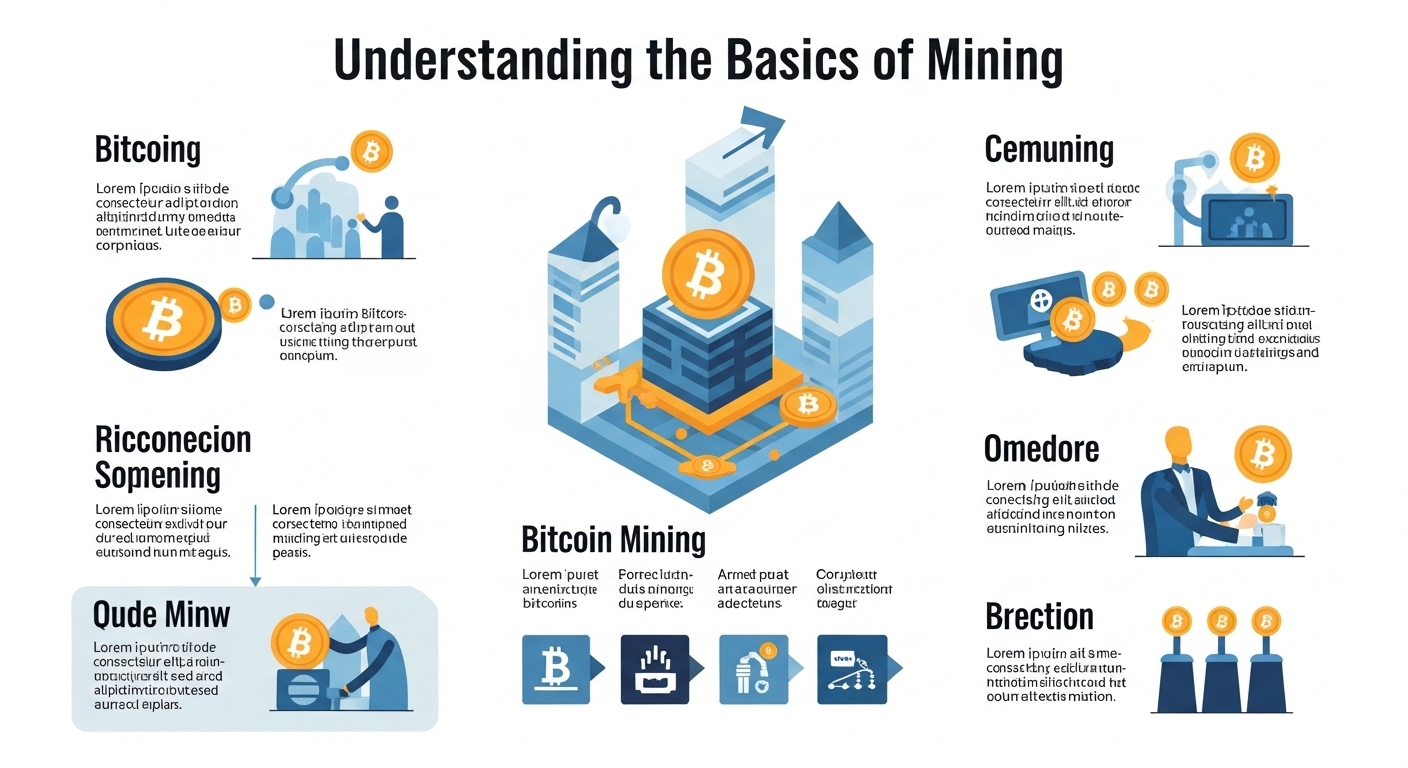
When a miner successfully solves the puzzle, they validate transactions and earn a block reward.The block reward consists of newly minted bitcoins plus transaction fees from the included transactions. After the 2024 halving event, the reward per block decreased to 3.125 BTC, making each successful block even more valuable during periods of high Bitcoin prices.
What Makes Solo Mining So Rare Today?
The Dominance of Mining Pools
In the early days of Bitcoin, individual participants could mine blocks using ordinary computers. However, as the network’s mining difficulty increased, solo mining became progressively less viable. Today, most miners join mining pools to combine their hashrate and receive smaller but consistent payouts.
Large pools such as Foundry USA and AntPool control significant portions of the network’s total hashrate. Their scale provides statistical advantages that dramatically reduce the unpredictability associated with solo efforts.For a solo bitcoin miner operating with limited resources, the probability of finding a block is extraordinarily low. This makes the recent $200,000 reward event even more striking.
Probability and Statistical Odds
Mining is fundamentally a probabilistic process. Each hash attempt is like buying a lottery ticket. The more hashrate a miner controls, the higher the likelihood of solving the block. However, even a small participant technically has a chance.
The solo bitcoin miner in this case rented a modest amount of computational power—$75 worth—and temporarily boosted their chances of success. Although the statistical probability remained low, randomness worked in their favor.
How Rented Hashrate Works
Cloud Mining and Hashrate Marketplaces
Rented hashrate allows individuals to temporarily lease mining power from large providers. Instead of owning ASIC hardware, a miner pays for a specific amount of computational power over a defined period.Platforms like NiceHash facilitate this process by connecting buyers and sellers of hashing power. Users can purchase short-term contracts that redirect mining power to their chosen pool—or even attempt solo mining.This mechanism dramatically lowers the barrier to entry. For $75, the solo bitcoin miner acquired enough temporary power to participate meaningfully in the network’s computational race.
Strategic Timing and Execution
Timing can significantly influence mining outcomes. Network difficulty adjustments, temporary hashrate drops, and fluctuations in transaction fees can create narrow windows of opportunity.If the rented hashrate coincided with a momentary dip in network difficulty or hash competition, the odds may have improved slightly. However, the success remains largely attributable to statistical variance.
Breaking Down the $200,000 Block Reward
Block Subsidy and Transaction Fees
The $200,000 figure likely consisted of the 3.125 BTC block subsidy combined with transaction fees. During periods of network congestion, transaction fees can spike, significantly increasing total block value.Bitcoin’s price volatility further amplifies these rewards. If BTC trades at elevated levels, even a standard block subsidy translates into substantial dollar-denominated gains.
Post-Halving Mining Economics
The most recent halving event, which reduced block rewards from 6.25 BTC to 3.125 BTC, has intensified competition among miners. Industrial operations rely heavily on efficiency and low energy costs to maintain profitability.For a solo bitcoin miner, the halving increases risk but also heightens the perceived value of each successful block. The $200,000 reward reflects both Bitcoin’s price strength and transaction demand at the time of mining.
The Role of Luck in Bitcoin Mining

Mining as a High-Variance Activity
Bitcoin mining often appears purely mechanical, driven by hardware efficiency and electricity costs. However, for smaller participants, it behaves more like a lottery system with quantifiable odds.A solo bitcoin miner with minimal hashrate may wait years without success—or win within hours. Variance plays a decisive role.
Why Small Miners Still Participate
Despite the overwhelming odds, some individuals choose solo mining for ideological reasons. They value independence from large pools and contribute directly to network decentralization.This recent win reinforces the notion that while improbable, success remains possible outside corporate mining farms.
Decentralization and the Bitcoin Ethos
A System Designed for Open Participation
Bitcoin’s architecture was created to avoid centralized control. Although mining has consolidated significantly, the network still permits open competition.The success of a solo bitcoin miner symbolizes this foundational principle. Even in a trillion-dollar ecosystem, the protocol does not discriminate based on scale.
Counterbalance to Industrial Mining
Large-scale operations dominate due to economies of scale. Massive facilities, often located in energy-abundant regions, maintain exahashes of power.Yet occasional victories by small miners remind the community that the system retains elements of unpredictability and openness.
Economic Realities of Solo Mining
Expected Value Versus Outcome
From a statistical standpoint, spending $75 on rented hashrate likely had a negative expected value. The odds of earning a $200,000 block reward were extremely slim.However, expected value does not dictate individual outcomes. In probabilistic systems, rare events inevitably occur.
Risk Management Considerations
Prospective solo miners should understand the difference between possibility and probability. While this event demonstrates what can happen, it does not indicate a sustainable strategy.Most participants seeking consistent income continue to rely on pooled mining models.
Market Reaction and Community Response
The story of a solo bitcoin miner earning $200,000 from a minimal investment quickly spread across crypto media and social platforms. Enthusiasts celebrated the event as proof that Bitcoin remains accessible.Industry observers, however, cautioned against misinterpreting the event as evidence that solo mining is broadly profitable. The underlying mathematics remain unchanged.Nonetheless, the psychological impact was significant. It revitalized interest in rented hashrate, cloud mining, and independent participation.
Broader Implications for the Mining Industry
Increased Interest in Hashrate Marketplaces
Events like this often drive traffic to platforms facilitating short-term hashrate rentals. While the majority of participants will not replicate the outcome, the narrative attracts curiosity.Hashrate marketplaces serve a legitimate role in the ecosystem by improving liquidity and redistributing computational resources.
Reinforcing Bitcoin’s Resilience
Bitcoin’s decentralized design has endured numerous market cycles, regulatory challenges, and technological shifts. Stories of improbable mining success reinforce its unique economic architecture.The protocol continues to function exactly as programmed, distributing rewards based purely on cryptographic proof-of-work.
Technical Overview: Why the System Works
Bitcoin’s proof-of-work mechanism adjusts mining difficulty approximately every two weeks. This ensures that blocks are found roughly every ten minutes, regardless of total network hashrate.When more miners join, difficulty increases. When miners exit, difficulty decreases. This dynamic equilibrium maintains network stability.The solo bitcoin miner’s success did not alter these mechanics. Instead, it demonstrated that within this deterministic framework, randomness still governs individual outcomes.
The Psychological Dimension of Solo Mining
Human psychology often gravitates toward stories of outsized gains from small investments. Whether in trading, venture capital, or mining, these narratives capture attention.However, professionals evaluate systems based on long-term statistical expectation rather than isolated outcomes. The recent event is an example of variance—not a shift in mining fundamentals.Understanding this distinction is critical for anyone considering similar strategies.
Future Outlook for Independent Miners
While industrial mining will likely remain dominant due to economies of scale, niche participation models may continue to emerge.Advancements in energy efficiency, alternative consensus research, and distributed infrastructure could reshape the competitive landscape over time.For now, the solo bitcoin miner’s achievement stands as a rare but legitimate outcome within Bitcoin’s probabilistic system.
Conclusion
The story of a solo bitcoin miner turning $75 of rented hashrate into a $200,000 block reward is both inspiring and instructive. It highlights the enduring openness of the Bitcoin network, the mathematical foundations of proof-of-work, and the unpredictable role of variance in mining outcomes.While the event does not redefine mining economics, it serves as a compelling reminder that Bitcoin remains a permissionless system where even small participants retain a chance—however slim—of securing substantial rewards.
For industry professionals, the takeaway is clear: understand the probabilities, respect the mathematics, and distinguish between statistical anomalies and sustainable strategies. The network functions exactly as designed, and within its deterministic rules, rare victories will always be possible.
FAQs
Q: How did the solo bitcoin miner earn $200,000 from $75?
The miner rented hashrate for $75 and successfully solved a block, earning the block subsidy plus transaction fees worth approximately $200,000 at prevailing BTC prices.
Q: Is solo bitcoin mining profitable today?
Generally, solo bitcoin mining is not consistently profitable due to extremely low probability. Most miners join pools to receive stable payouts.
Q: What is rented hashrate?
Rented hashrate allows users to temporarily lease mining power from providers instead of owning hardware. Marketplaces like NiceHash facilitate these transactions.
Q: How often do solo miners find blocks?
It is rare, especially with low hashrate. However, due to probability, occasional successes occur.
Q: Does this event mean small miners can compete with large farms?
Not sustainably. While technically possible, large mining operations maintain statistical advantages through scale and efficiency.
Also More: Solo Bitcoin Miner Wins $200K With $75 Hash Power